
Market Minds Advisory
Western Europe Pallet Wrap Market

Western Europe Pallet Wrap Market: Western Europe Pallet Wrap Market: Sold By Weight, Used By Area

Film is priced per kilogram and consumed per pallet, so the better product costs more on the invoice and less in practice, and procurement systems across the industry are built to reward the wrong one.

Lead Analyst

Published

September 2026

Make Smarter Decisions with Customized Research Insights

Request a free sample report and evaluate market opportunities, growth trends, and competitive dynamics relevant to your business needs.

2025 MARKET VALUE$9.6BMarket Size 2025
2036 FORECAST VALUE$20.2BBase Case , 2026 to 2036
CAGR 2026 TO 20367.0 %Bull 8.2% / Bear 5.8%
INCREMENTAL OPPORTUNITY$9.9BNet 10- year value creation
EXPANSION MULTIPLE1.97x2036 value over 2026 base
Strategic Levers
M&A Pipeline
Regional Outlook
Country Rankings
Competitive Intelligence
Segmental Deep-dive
Call-Us : 91 93563 13602

Executive Snapshot and Market Trajectory.

The industry prices its product in a unit nobody actually consumes. Film sells by the kilogram and gets used by the pallet, so a thinner high-performance film that wraps more loads per roll looks expensive on an invoice and is cheaper in use. Buyers optimising per kilogram choose worse film.
East Asia takes 30% of value on film extrusion and consumption concentrated across the region, while Western Europe at 22% is where load stability enforcement and recycled content rules bite hardest together. Recycled content stretch film grows at 10.5%, half again the market rate of 7.0%, and it does so despite costing roughly 22% of cling performance, which nobody in the supply chain talks about openly.
Concentration is low at 26% because film travels reasonably but competes locally on service. What decides consumption is the wrapping machine rather than the film, since pre-stretch settings determine how far a metre of film goes. Suppliers who never touch the customer's machine are selling into a process they cannot see. A machine set at half the pre-stretch ratio burns through roll after roll for exactly the same result. Consumption is not a film problem.
Market Definition
The market covers stretch films used for unitising and containing palletised loads, including cast stretch film, blown stretch film, pre-stretched film, nano and multi-layer high-performance film, recycled content stretch film, and coloured, ultraviolet stabilised and specialty films. Shrink wrap and shrink hoods, strapping and banding, stretch sleeve labels, protective and surface films, pallets themselves, and wrapping machinery are excluded from scope.
Base Year Value
$9.6B in 2025 (MMA Primary Research Dataset, August 2026)
Forecast Period
2026 to 2036, eleven discrete annual values
CAGR
7.0% base case. Bull 8.2%. Bear 5.8%.
Fastest Growth Segment
Recycled Content Stretch Film: 10.5% CAGR
Fastest Growth Country
India: 9.0% CAGR
Fastest Growth Region
South Asia and Pacific: 9.2% CAGR
Largest Region
East Asia: 30% of 2025 global value
Market Leaders
Berry Global, Amcor, Coveris, Sigma Plastics Group, Manuli Stretch. Source: MMA Analysis based on disclosed flexible packaging and film revenue, company annual reports 2025.
Primary Survey
n=3,800 procurement and R&D decision-makers, Q4 2025, six countries
Methodology
Demand-side build-up, cross-validated against public data, 47 expert interviews

Western Europe Pallet Wrap Market Forecast Scenarios

western-europe-pallet-wrap-market-analysis-2025-size-forecast-scenario-1787699290226
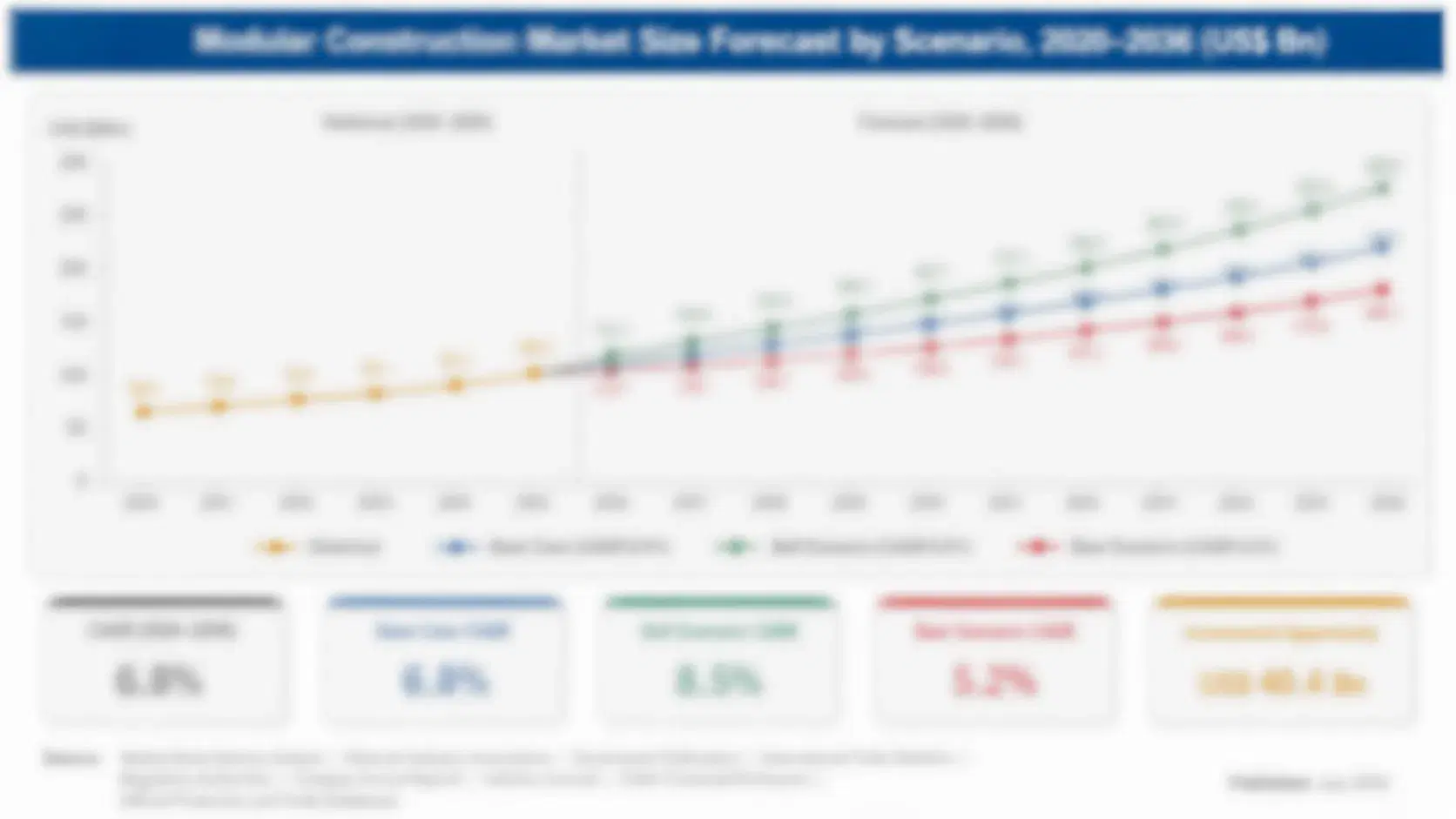
Growth from 2020 to 2025 ran at 6.0% and polyethylene pricing moved the reported total more than volume did. Linear low density polyethylene swung sharply through 2021 and 2022 alongside European energy costs, which lifted film prices without lifting tonnes and then reversed. Down-gauging continued quietly throughout, so tonnage understated the pallets actually wrapped. Tonnage and pallets diverged quietly.
The 7.0% base case rests on three mechanisms. European recycled content obligations keep tightening on plastic packaging, and stretch film is high volume, single use and highly visible, which makes it an early target. Load stability enforcement keeps spreading through road transport inspection, which rewards films with measurable containment force. And Asian consumption keeps growing with warehousing and distribution capacity across the region. All three arrive on regulatory and investment calendars rather than gradually.
The bull case at 8.2% assumes recycled content mandates extend faster than resin quality improves, which would move volume toward suppliers who solved the cling loss problem through multi-layer construction. The bear case at 5.8% is buyers continuing to purchase on cost per kilogram, which suppresses adoption of higher performance film and holds the market in commodity pricing that rewards nobody in the supply chain.

The Unit Nobody Actually Uses

Film is priced per kilogram and consumed per pallet, and those two units point in opposite directions. A thinner multi-layer film costs more per kilogram, wraps considerably more loads from the same roll and therefore costs less per pallet, yet it loses every procurement comparison built around price per tonne. The industry spent thirty years telling buyers to purchase in the unit that makes the better product look worse.
FIVE-FIRM CONCENTRATION26%Share of flexible packaging and film revenue held by leaders
FILM PRICE PER KILOGRAM$1.82Typical selling price for standard cast stretch film
TOP PRODUCING COUNTRYChina 28%Chinese share of global stretch film extrusion output
MACHINE PRE-STRETCH RATIO260%Film elongation a wrapping machine applies before load contact
CONTAINMENT FORCE MEASURED17%Users measuring load containment rather than simply assuming it
RECYCLED CLING LOSS22%Cling performance lost when recycled resin replaces virgin material
What decides consumption is the wrapping machine rather than the film. A machine set to pre-stretch at 260% takes a metre of film and delivers three and a half, while one running at half that rate burns through roll after roll for the same result. Suppliers who never adjust a customer's machine are selling into a process they cannot see.
Load containment force is measurable and roughly 17% of users measure it. European load stability enforcement through road transport inspection has raised the stakes, since a collapsed pallet on a motorway is a safety event rather than a packaging complaint. Recycled content makes this harder, costing around 22% of cling performance, which the supply chain largely does not discuss.
"Ask a buyer what a pallet costs to wrap and you will usually get a price per kilo instead. That answer is the entire problem with this industry compressed into a single number."
Principal, Flexible Packaging Practice · MMA Flexible Packaging Practice · August 2026

Market Trends

Recycled Content Obligations Collide With Cling Performance

Recycled polyethylene reduces cling and puncture resistance, costing roughly 22% of cling performance when it replaces virgin resin, which directly reduces the containment force holding a pallet together. European obligations keep tightening regardless, because stretch film is high volume, single use and unusually visible in waste audits. Growth at 10.5% therefore goes to suppliers who recovered the performance through multi-layer construction rather than to those simply blending recycled pellets into an existing film structure. Blending pellets into an existing structure delivers mandated content and worse film, and buyers rarely measure the difference until a load fails.
Market Impact: Standardises 260% pre-stretch settings
Load Stability Enforcement Rewards Measured Containment Force

European road transport inspection increasingly examines load stability, and a pallet that collapses on a motorway is a safety event with consequences no packaging complaint carries. Containment force is measurable with straightforward equipment and roughly 17% of users actually measure it, which means most are wrapping on assumption. Suppliers who arrive with measurement capability convert a commodity purchase into a technical one and reach transport safety functions who have never spoken to a film salesperson before. Measurement equipment is inexpensive and interpretation is what separates suppliers, which is why so few have made the offer.
Market Impact: Supports 3 expanding logistics economies

Market Opportunities and Growth Drivers

Warehouse Automation Standardises Wrapping Machine Settings

Automated warehouses run wrapping machines at consistent pre-stretch settings rather than at whatever an operator last adjusted, which makes film consumption predictable and makes performance differences between films genuinely visible for the first time. A machine at 260% pre-stretch turns a metre of film into three and a half metres of wrap. Suppliers who understand machine behaviour compete on demonstrated consumption per pallet, while those quoting per kilogram find automated sites increasingly unwilling to have that conversation. Manual sites obscure the same differences entirely. Automation makes the difference visible. Consistency reveals it.
Market Impact: Misprices across 2 different units

Asian Distribution Capacity Expands Regional Film Demand

Warehousing and distribution capacity across China, India and Southeast Asia has expanded rapidly alongside domestic consumption and export manufacturing, and every palletised load moving through those facilities requires containment. India grows fastest of any country at 9.0% as organised retail and third-party logistics both scale. Regional film extrusion has grown alongside the demand, since stretch film travels acceptably but competes on service and technical support that distant suppliers cannot practically provide. Regional extrusion follows the warehousing, since technical support cannot be delivered from a great distance. Support has to be local.
Market Impact: Varies consumption by 3 times

Market Restraints and Challenges

Cost Per Kilogram Buying Suppresses Performance Film Adoption

Film sells by weight and gets used by pallet, so a thinner high-performance construction costs more per kilogram while costing less per load wrapped. Root cause is a purchasing convention established when films were broadly similar and weight was a reasonable proxy for value. The commercial impact is that better products lose procurement comparisons and the whole category stays anchored in commodity pricing. Mitigation runs through cost per pallet demonstrations, which require access to the customer's wrapping operation. Access to the wrapping operation is what most suppliers lack. Very few obtain it.
Market Impact: Costs 22% of cling performance

Machine Settings Determine Consumption Beyond Supplier Control

A wrapping machine's pre-stretch ratio decides how far a metre of film travels, and a badly set machine consumes several times what a well set one does with identical film. Root cause is that machines are bought from equipment suppliers and maintained by site engineering, neither of whom answers to the film supplier. The commercial impact is that suppliers get blamed for consumption their product did not cause. Mitigation involves machine audits offered as part of supply, which few provide. Audits offered as part of supply solve it. Almost nobody offers them.
Market Impact: Only 17% currently measure containment
3 additional market trends, 4 additional growth drivers, and 2 additional restraints and challenges are covered in the full report. Contact sales@marketmindsadvisory.com to access the complete intelligence.

Segment CAGR and Growth Architecture

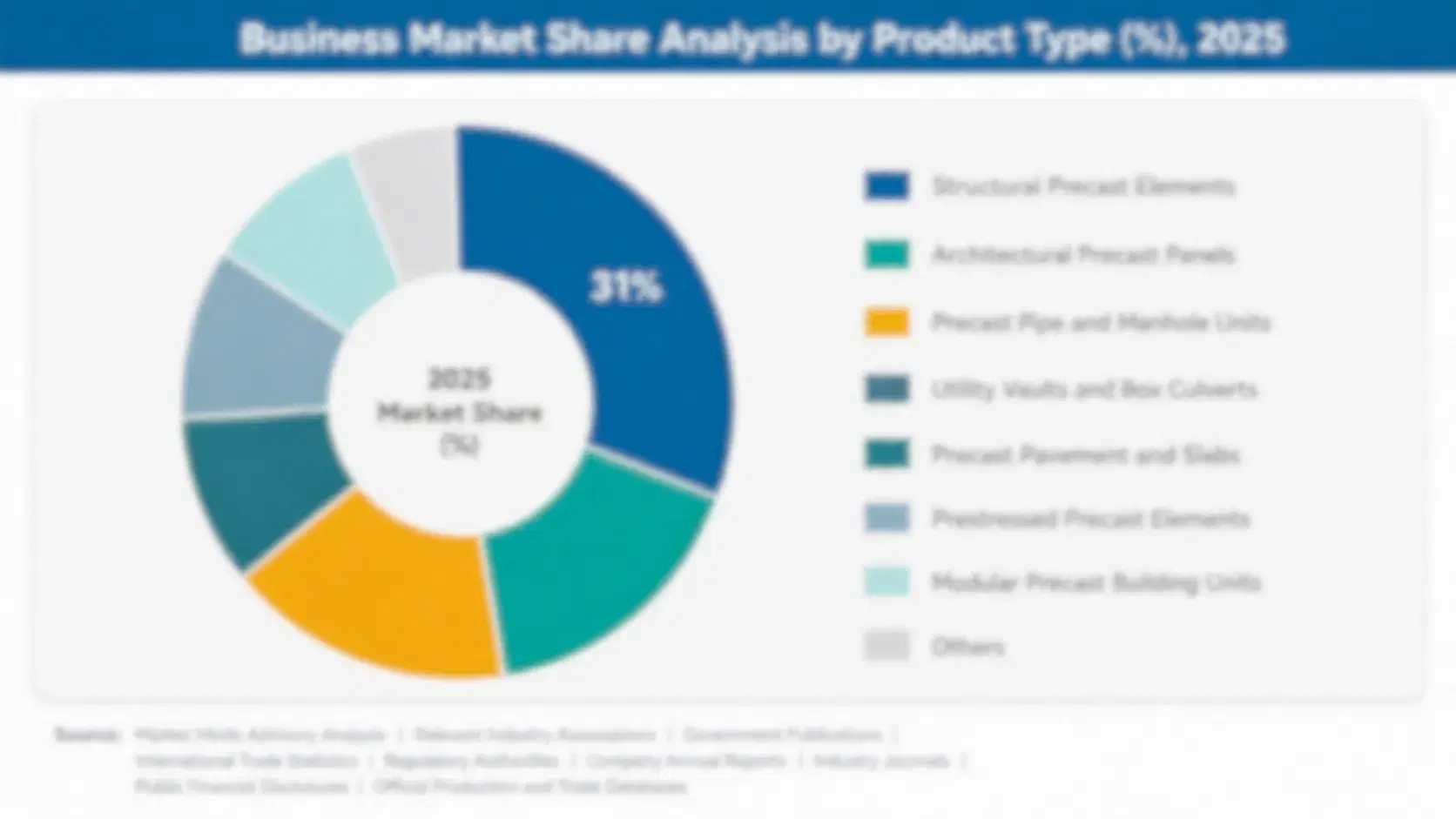
Segmentation follows film construction and resin content: how the film is made and what goes into it, rather than which industry wraps with it or how it reaches the customer. Six constructions cover the market without overlap, from standard cast film through to recycled content grades. End-use industry and commercial arrangement are separate dimensions.
western-europe-pallet-wrap-market-analysis-2025-market-share-analysis-1787699290400

Recycled Content Stretch Film

Recycled polyethylene costs roughly 22% of cling performance against virgin resin, which directly reduces the containment force holding a load together, and European obligations keep tightening regardless because stretch film is high volume and highly visible in waste reporting. Growth at 10.5%, half again the market rate of 7.0%, therefore rewards suppliers who recovered performance through multi-layer construction rather than those blending recycled pellets into existing structures. The conflict between mandated content and mechanical performance is real, largely undiscussed, and it separates capable suppliers from the rest entirely. Buyers rarely measure the loss until a pallet actually fails in transit, at which point the conversation changes entirely. Layer design solves what blending cannot.
CAGR 10.5%

Nano and Multi-Layer High-Performance Film

Multi-layer extrusion places different resins in different layers, which allows a thinner film to hold higher containment force and to carry recycled content without losing the cling that keeps a load intact. Growth at 9.0% follows load stability enforcement and recycled content obligations arriving together. The commercial obstacle is that these films cost more per kilogram while costing less per pallet, and procurement systems built around weight comparisons reject them before performance is ever examined. Suppliers who demonstrate cost per load rather than per tonne win these conversations. Reaching operations rather than procurement is the whole commercial problem, and most suppliers never attempt it. Operations counts pallets and procurement counts tonnes.
CAGR 9.0%
Full segment breakdown across 6 segments available in the complete report.

Regional Architecture and Country Demand Map

Geography follows warehousing and distribution capacity together with regulatory intensity around load stability and recycled content. East Asia leads on extrusion and consumption scale, Western Europe on enforcement, and India grows fastest of all countries. Purchasing conventions differ sharply between them, and that decides which films can compete.

North America

American distribution centres run at scale with automated wrapping, which makes consumption per pallet measurable and makes performance differences visible where manual operations obscure them entirely. Load stability enforcement is less formalised than in Europe, so containment force arguments carry less regulatory weight and more insurance weight. Cost per kilogram purchasing remains deeply entrenched across large retail and logistics buyers. Recycled content adoption advances through corporate commitments rather than regulation, which means it arrives unevenly by customer rather than uniformly by category across the region. Machine settings vary widely between sites and few suppliers audit them, which leaves consumption comparisons distorted in ways nobody in the chain has an incentive to correct.
Share: 25% | CAGR: 6.4% (2026 to 2036)

Western Europe

European road transport inspection examines load stability seriously, which turns containment force from a technical curiosity into a compliance matter and gives measurement capability genuine commercial value. Recycled content obligations on plastic packaging land hard on stretch film because it is high volume, single use and unusually visible in waste reporting. German, Italian and Spanish extruders hold strong positions in multi-layer construction. Energy costs have compressed extrusion margins since 2022 and pushed several producers toward higher value constructions rather than commodity film. Containment measurement capability has genuine commercial value here in a way it does not elsewhere, because enforcement gives the number regulatory consequence rather than merely technical interest. Enforcement creates the value.
Share: 22% | CAGR: 5.4% (2026 to 2036)
Regional intelligence for 5 additional markets available in the complete report: East Asia, South Asia and Pacific, Latin America, Middle East and Africa, Eastern Europe. Contact sales@marketmindsadvisory.com.
western-europe-pallet-wrap-market-analysis-2025-country-cagr-analysis-1787699290578

Escaping The Kilogram Comparison Entirely

Film is priced per kilogram and consumed per pallet, machine settings vary consumption threefold, only 17% of users measure containment, and recycled content costs 22% of cling. Four levers work on unit of measure, machine access, measurement capability and multi-layer construction rather than on price per tonne. Price per tonne rewards the wrong film.

Quote Cost Per Pallet Not Per Kilogram

A thinner multi-layer film costs more per kilogram and wraps considerably more loads from the same roll, so it loses every comparison built on price per tonne and wins every comparison built on cost per pallet wrapped. Suppliers who reframe the quotation change which product looks better without changing either product at all. It requires counting pallets at the customer's site, which competitors quoting from a price list never do. Buyers respond once the arithmetic is in front of them. A film 22% thinner wraps proportionally more loads from the same roll, which is arithmetic no buyer disputes once shown.
Market Impact: Reframes pricing across the 2 competing units entirely

Audit And Set The Customer's Wrapping Machines

A machine running at 260% pre-stretch turns a metre of film into three and a half, while a badly set one consumes several times as much for the same result. Film suppliers get blamed for consumption their product never caused, because the machine belongs to equipment suppliers and site engineering. Offering machine audits as part of supply removes that variable, improves measured consumption immediately and puts the supplier inside a process competitors cannot see or influence at all. Consumption improves immediately once settings are corrected. Settings drift constantly without audits.
Market Impact: Corrects consumption that varies 3 times over entirely

Bring Containment Force Measurement Into The Sale

Roughly 17% of users measure load containment and the rest wrap on assumption, while European road transport inspection increasingly treats a collapsed pallet as a safety event rather than a packaging failure. Suppliers who arrive with measurement equipment convert a commodity purchase into a technical one and reach transport safety and compliance functions who have never spoken to a film salesperson. Those people care nothing about price per tonne and a great deal about whether loads arrive intact. Arrival condition is what they measure. Procurement never asks that question. Safety functions do.
Market Impact: Reaches the 83% who currently measure nothing at all

Recover Recycled Performance Through Layer Construction

Recycled polyethylene costs roughly 22% of cling performance when it replaces virgin resin, which reduces containment force at exactly the moment European obligations require more recycled content. Suppliers who blend recycled pellets into existing structures deliver worse film and hope nobody measures. Those who redesigned layer construction to place recycled material where cling does not depend on it deliver mandated content without the performance penalty, and growth at 10.5% is going steadily to the second group. Layer design rather than blending is the answer. Mandated content need not cost performance.
Market Impact: Recovers the whole 22% of lost cling performance

Who Controls the Margin Pool

Measured on disclosed flexible packaging and film revenue, the five largest producers hold a CR5 of 26%, which reflects a market where film travels acceptably but competes on service and technical support that distant suppliers cannot practically deliver. Berry, Amcor and Coveris operate multi-layer extrusion at scale, while many regional extruders compete on standard cast film where price is the whole conversation. Technical capability decides less than it should.
Three contests define activity. Standard cast and blown film competes on price per kilogram among extruders whose products differ very little. Multi-layer and high-performance film competes on demonstrated cost per pallet, which requires access to the customer's operation. Recycled content film competes on whether the supplier recovered the cling performance that recycled resin removes, and rather few have done that work properly. A supplier organised for the first contest is rarely equipped for the others.

Pressure builds as European load stability enforcement and recycled content obligations arrive together, since both reward technical capability that commodity extruders do not hold. Rankings shift toward suppliers who reach transport safety and compliance functions rather than procurement. Machine access is the quiet differentiator nobody has formalised. Nobody has formalised it into an offer.
western-europe-pallet-wrap-market-analysis-2025-company-positioning-matrix-1787699290757

Competitive Moat and Risk Dimensions

BERRY GLOBAL

Moat: Multi-Layer Extrusion Scale

Berry operates multi-layer stretch film extrusion at a scale that supports genuine development work on layer construction, which is what allows recycled content without the cling loss that ordinary blending produces. That capability required capital and years of formulation work. A regional extruder competing on standard cast film cannot answer a recycled content requirement without giving away containment performance.
BERRY GLOBAL

Risk: Commodity Film Price Exposure

A substantial share of volume sits in standard cast film where regional extruders compete purely on price per kilogram and technical capability confers no advantage whatever. Buyers purchasing by weight cannot see the difference multi-layer construction makes. Scale supports development without protecting the volume that funds it.
MANULI STRETCH

Moat: Machine And Application Expertise

Manuli built commercial practice around wrapping machine settings and application engineering rather than around film supply alone, which places it inside a process most competitors never see. Pre-stretch ratios determine consumption more than film specification does. A supplier who sets the machine controls the number the customer measures.
MANULI STRETCH

Risk: Limited Recycled Resin Integration

Application expertise addresses consumption without addressing recycled content obligations that European buyers increasingly must satisfy regardless of how well a machine is set. Suppliers with deeper resin and layer construction capability answer that requirement more convincingly. Knowing the process is not the same as owning the material science the regulation is actually driving toward.

Players Tracked

Prominent Players

Berry Global
Amcor
Coveris
Sigma Plastics Group
Manuli Stretch

Other Key Players

Intertape Polymer Group
Malpack
Paragon Films
Thong Guan Industries
Scientex
Trioplast
Duo Plast
Armando Alvarez Group
Barbier Group
Plastotecnica
Sealed Air
Mondi
Fatra
Ipak Plastik
Hanjin P&C

Recent Developments

FEBRUARY 2025

Retail logistics operator adopts cost per pallet film tendering

A European retail logistics operator restructured its stretch film tender around cost per pallet wrapped rather than price per kilogram, a procurement change rather than any corporate transaction. Consumption data from automated wrapping machines had made the difference between films visible in a way weight comparisons never did.
Signal: Automated wrapping makes performance differences measurable, which finally undermines purchasing conventions built on weight. Weight tells buyers nothing.
JUNE 2025

Film producer launches multi-layer recycled construction without cling loss

A film producer launched a multi-layer construction placing recycled resin in layers where cling does not depend on it, an organic product development rather than any acquisition. Ordinary blending had been costing meaningful cling performance at exactly the moment European obligations were raising recycled content requirements.
Signal: Layer construction rather than resin blending is what delivers mandated recycled content without losing containment force.
OCTOBER 2025

Transport inspection campaign cites load containment across freight operators

A European road transport inspection campaign cited multiple freight operators for inadequate load containment, an enforcement action rather than any commercial development. Containment force had not been measured at the wrapping stage in most cases, and film specification had been chosen entirely on purchase price.
Signal: Load stability enforcement moves containment from a packaging question to a transport safety compliance question. Consequences follow now.

What Stretch Film Costs

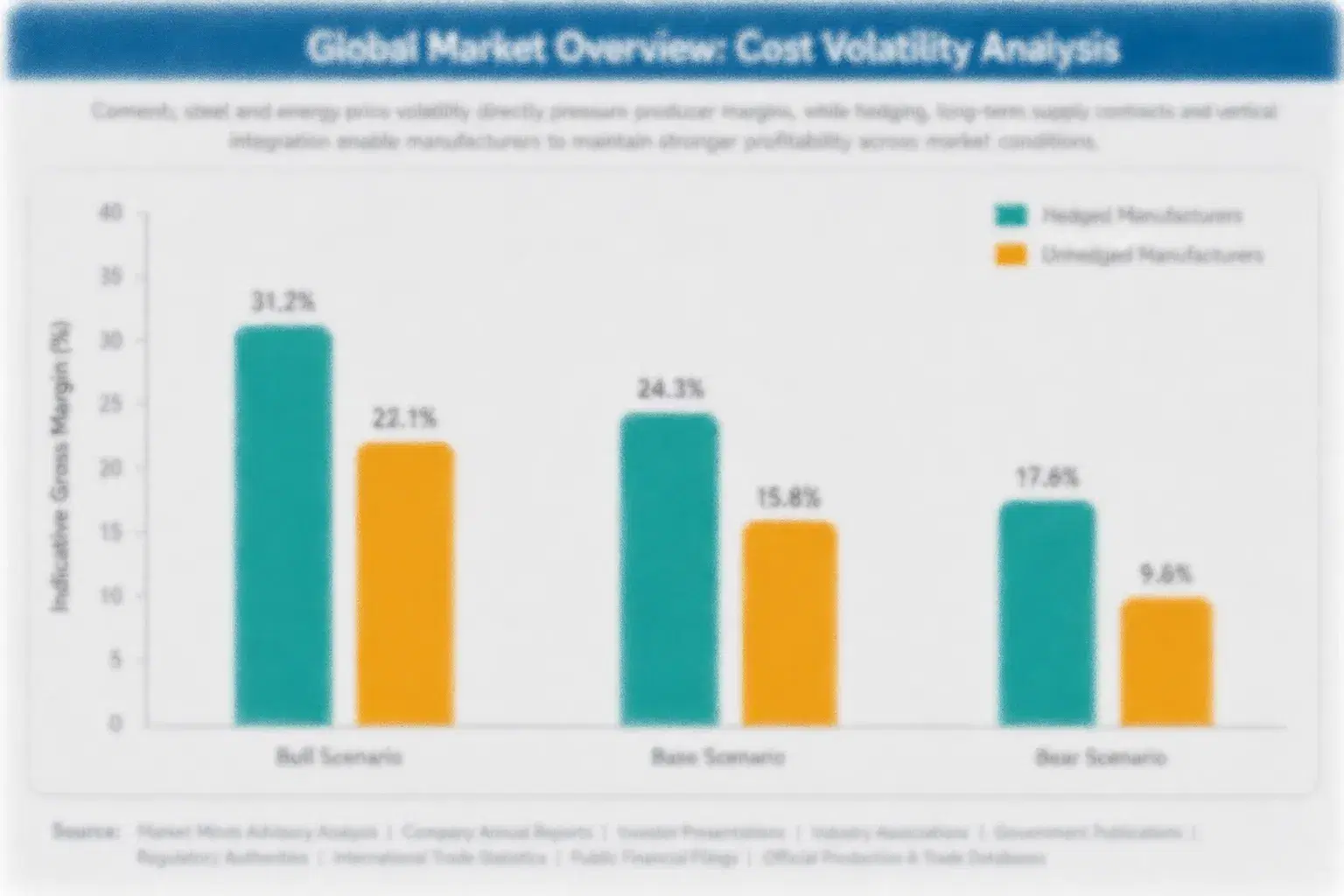
Polyethylene dominates and everything else is comparatively minor. Linear low density polyethylene and blended resins account for 62 to 71% of extrusion cost depending on construction, with multi-layer films carrying a mix of grades rather than a single resin. Extrusion energy follows and is markedly higher in Europe than in Asia or the Gulf. Recycled resin adds sorting and quality variation cost virgin material never carries.
The volatility that mattered was polyethylene through 2021 and 2022. Pricing moved sharply alongside petrochemical feedstock and European energy costs, which IEA industrial energy data documents across the period, and extruders quoting fixed prices absorbed movements on an input that is roughly two thirds of their cost. Those with indexed clauses did not. Recycled polyethylene has also traded above virgin at times. Both inputs moved together that year.

Exposure divides by construction mix rather than by scale. Extruders weighted toward standard cast film carry resin exposure on a product with no pricing power to absorb it. Those weighted toward multi-layer and high-performance constructions price on demonstrated performance and pass costs more readily. European extruders carry energy intensity that Asian and Gulf competitors do not.
western-europe-pallet-wrap-market-analysis-2025-cost-volatility-analysis-1787699290942

Index virgin and recycled polyethylene separately

Recycled polyethylene has traded above virgin at times, which contracts written on the assumption that recycled material costs less absorbed entirely. Indexing the two grades separately costs negotiation effort and removes a divergence a single benchmark cannot capture at all. Extruders who assumed recycled resin would always be cheaper discovered otherwise during the last cycle.

Shift pricing to cost per pallet wrapped

Pricing per kilogram exposes an extruder to resin movements on a unit the customer does not actually consume, while pricing per pallet aligns revenue with the value delivered. It requires consumption data from the customer's wrapping operation, which most suppliers never collect. The reframing also protects higher performance constructions from comparisons that weight-based purchasing always decides against.

Hedge extrusion energy in high cost regions

Extrusion runs continuously and European industrial energy pricing rose sharply from 2022, compressing margins against regions with materially cheaper power. Hedged supply costs flexibility and protects conversion margin on a product where resin already dominates. Extruders exposed to spot energy watched conversion margin disappear for reasons entirely unrelated to polyethylene. Conversion margin is worth protecting on its own terms.

Portfolio Architecture for Margin Defence

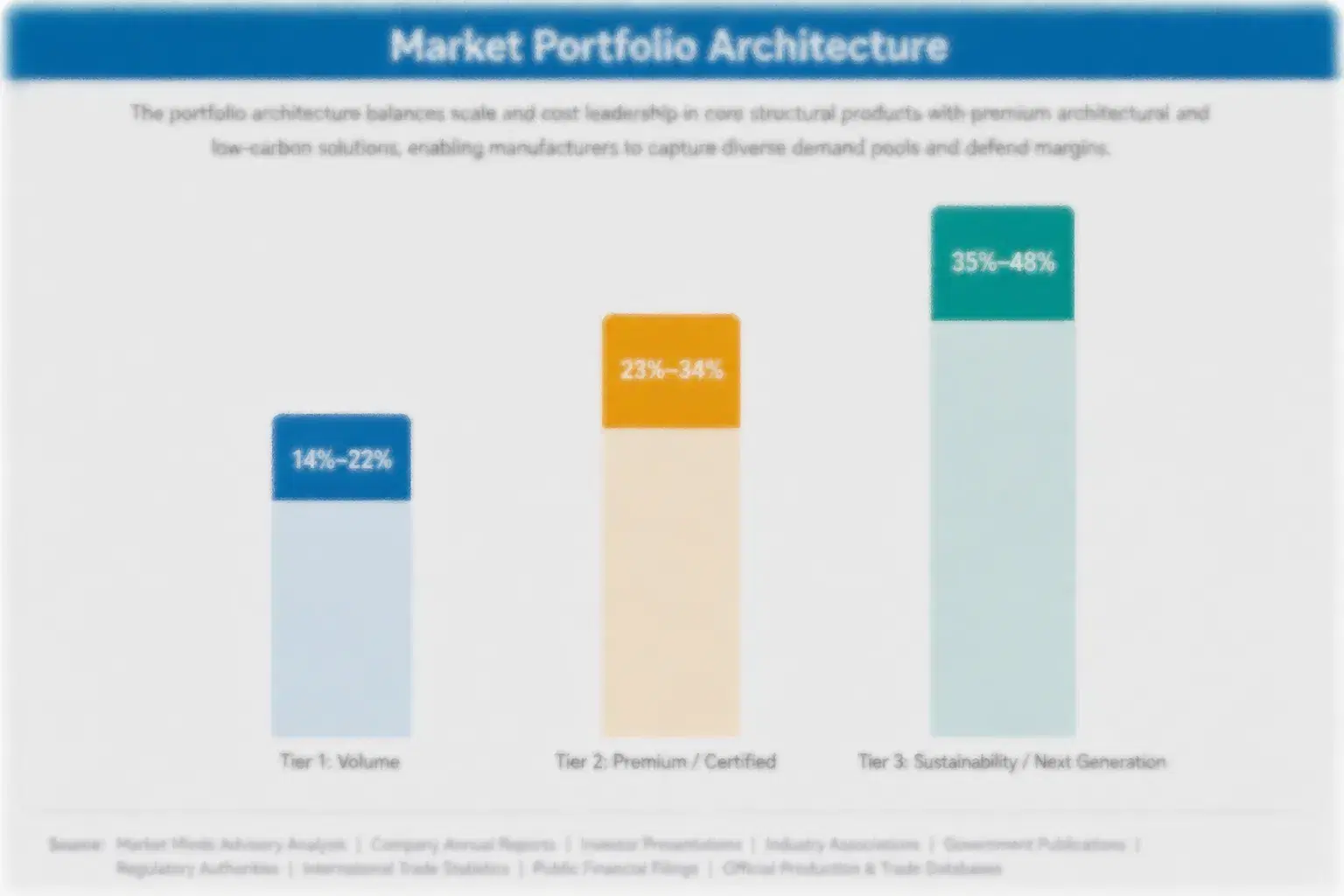
Margin follows whether a supplier can escape the price per kilogram comparison. Standard cast and blown film cannot, and prices accordingly against regional extruders with comparable product. Coloured and specialty films earn modestly better on smaller runs. Multi-layer high-performance film earns considerably more where cost per pallet is actually demonstrated. Recycled content constructions that recovered cling performance earn most, because very few suppliers have done that formulation work properly.
The tension is that commodity film fills extrusion capacity while technical film generates returns, and reaching the technical customer requires capability most extruders have never built. Standard film keeps lines running and generates the scale that makes extrusion economics work. Machine audits, containment measurement and layer development require people rather than equipment. Extruders weighted entirely to volume compete on price against everyone within reach of their customers.

High-value pools sit in three places. Multi-layer recycled constructions that deliver mandated content without losing cling. Containment force measurement capability, which reaches transport safety functions rather than procurement. And wrapping machine access, which controls the consumption number a customer measures and which almost no supplier has formalised into an offer.

Volume / Commodity-Adjacent

Standard cast and blown stretch film sold per kilogram against regional extruders with comparable product. The 7-point range separates extruders with indexed resin clauses and hedged energy from those absorbing polyethylene movements on fixed pricing agreements.
Gross Margin: 13-20%

Premium / Certified

Pre-stretched film, coloured and ultraviolet stabilised constructions, and specialty films serving specific handling requirements. The 7-point spread separates suppliers who demonstrate consumption per pallet from those quoting specification claims against a price list.
Gross Margin: 24-31%

Sustainability / Regulatory / Next-Generation

Multi-layer high-performance film, recycled content constructions that recovered cling performance, and containment measurement services. The 17-point range is wide because layer development commands a durable premium while recycled blending without performance recovery does not.
Gross Margin: 29-46%
western-europe-pallet-wrap-market-analysis-2025-portfolio-architecture-1787699291132

High-value Sub-segments and Strategic Watch-out

Recycled Multi-Layer Constructions

Highest value and fastest growth at 10.5%, where recovering the roughly 22% cling loss through layer design separates capable suppliers from those blending pellets and hoping. The risk is that recycled resin quality improves enough that simple blending becomes adequate, which would erode the advantage considerably.
Gross Margin: 41-46%

Containment Measurement Services

High value with strong growth as European load stability enforcement spreads, and it reaches transport safety functions who never speak to film suppliers. The risk is that measurement equipment is inexpensive, so the durable value sits in interpretation and application rather than in the instrument.
Gross Margin: 35-40%

Standard Cast Stretch Film

The volume core, sold per kilogram against comparable regional extruders where technical capability confers nothing at all. Extruders hold the position because it carries line utilisation, and utilisation is what makes the multi-layer development work economically possible. Nobody exits it deliberately. Utilisation funds the development work.
Gross Margin: 14-19%

Weight-Based Purchasing Convention

The strategic watch-out. Buying per kilogram systematically rejects the films that cost less per pallet, which holds the whole category in commodity pricing. The risk is that suppliers who invested in performance construction cannot recover that investment while the purchasing convention persists across major accounts.
Gross Margin: 19-24%

Consumed With Every Load

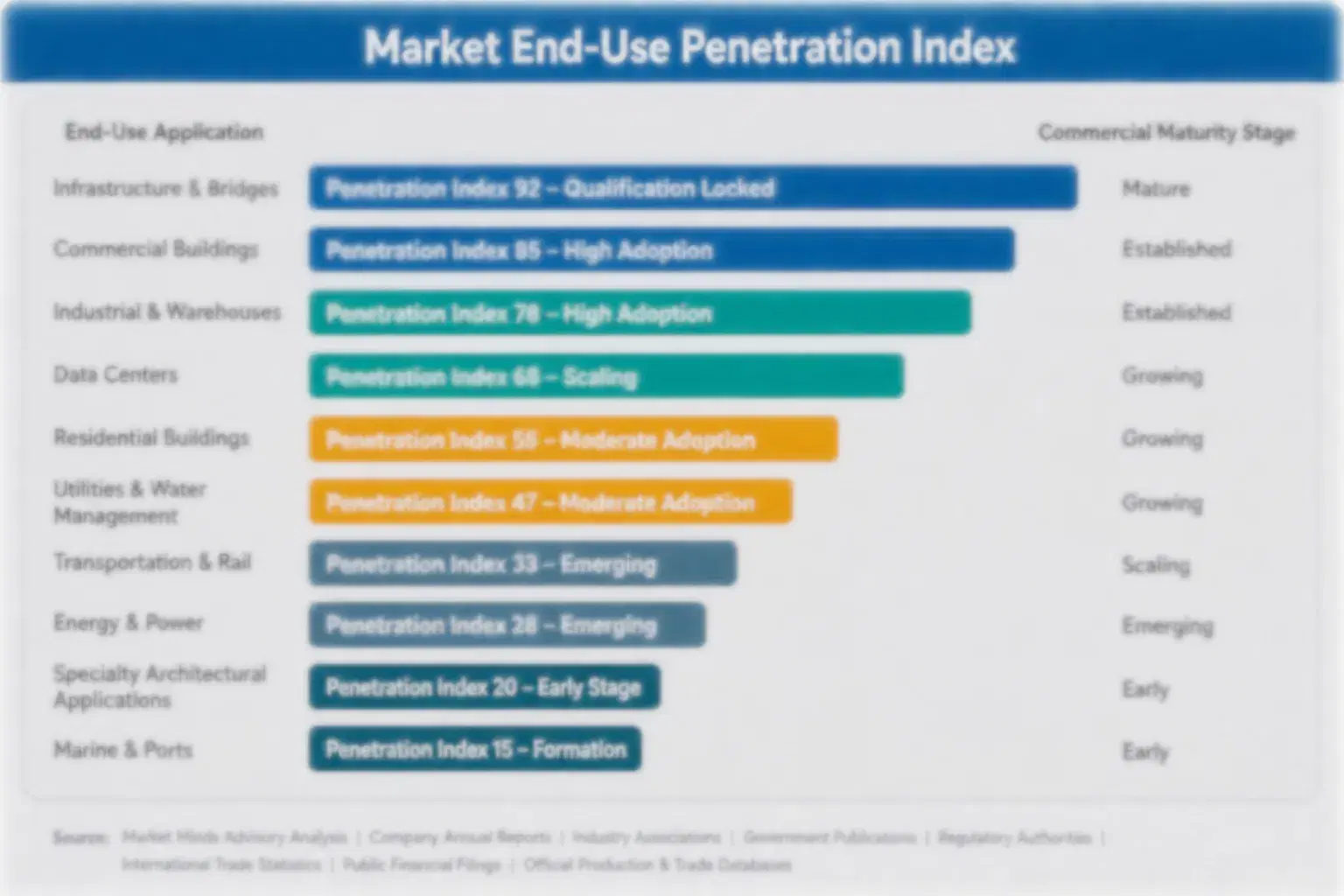
Stretch film is consumed with every pallet dispatched and never accumulates, which ties demand directly to a customer's throughput rather than to any purchasing decision revisited periodically. That produces reliable volume and almost no protection, because the product is requoted annually against extruders whose standard film performs comparably. Nothing about the load creates a switching cost of any kind.
Stickiness has to be built and almost nobody builds it. A supplier who set the customer's wrapping machines controls the consumption number the site measures, and displacing that relationship means accepting worse measured performance. A supplier who established containment force baselines owns a technical reference the customer depends on. Recycled constructions that hold cling create genuine specification lock. Standard film supply creates none of these things at all.

The buyer differs sharply by approach. Standard film is repriced by procurement comparing quotations per kilogram against regional extruders. Performance film reaches operations managers who count pallets and transport compliance functions who worry about load stability on public roads. Those are different people asking different questions, and suppliers organised only for the procurement conversation are absent from the two that actually pay.
western-europe-pallet-wrap-market-analysis-2025-end-use-penetration-index-1787699291318

Escaping The Weight Comparison

These are among the four positions where our research anticipates prominent divergence between winners and laggards over the coming forecast period. Each is grounded in the demand model, the regulatory perimeter, and the announced capacity pipeline.
01 / UNIT OF MEASURE

Quote pallets and the better film wins

A thinner multi-layer construction costs more per kilogram and wraps considerably more loads from the same roll, so it loses every comparison built on price per tonne and wins every comparison built on cost per pallet wrapped. Suppliers who reframe the quotation change which product looks better without altering either product in any way at all. Doing that requires counting pallets at the customer's own site, which competitors quoting from a standard price list never trouble to do at all.
02 / MACHINE ACCESS CONTROL

Whoever sets the machine owns the number

A wrapping machine running at 260% pre-stretch turns a metre of film into three and a half metres, while a poorly set machine consumes several times as much for exactly the same result. Film suppliers routinely get blamed for consumption their product never caused, because the machine belongs to equipment vendors and site engineering instead. Offering machine audits as part of the supply agreement removes that variable entirely and puts the supplier inside a process competitors cannot see or influence.
03 / CONTAINMENT FORCE MEASUREMENT

Most users wrap on assumption not evidence

Roughly 17% of users measure load containment force and the remainder wrap on assumption, while European road transport inspection increasingly treats a collapsed pallet as a safety event rather than a packaging failure. Suppliers arriving with measurement equipment convert a commodity purchase into a technical one and reach transport safety functions who have never met a film salesperson. Those people care nothing at all about price per tonne, and a great deal about whether a load arrives in one piece.
04 / LAYER CONSTRUCTION RESPONSE

Recycled content costs cling unless redesigned

Recycled polyethylene costs roughly 22% of cling performance when it simply replaces virgin resin, which reduces containment force at precisely the moment that European obligations are demanding more recycled content in packaging. Suppliers who simply blend recycled pellets into their existing structures deliver worse film and quietly hope that nobody bothers to measure the result. Suppliers who instead redesigned their layer construction deliver the mandated content without any penalty, and growth running at 10.5% is going steadily to that group.

Engagement Snapshot From the Field

A live engagement with an industry participant carrying material or product regulatory and market exposure ahead of a defining policy shift, showing how our research translates into a defensible multi-year portfolio strategy.
MARKET MINDS ADVISORY · CLIENT ENGAGEMENT SUMMARY
Western Europe Pallet Wrap Producer Strategic Portfolio Review and Transition Roadmap 2026·Investment Scenario on Western Europe Pallet Wrap Exposure Evaluation 2025-26
CLIENT PROFILE
A European stretch film extruder operating three lines across two countries, supplying retail logistics, food distribution and industrial manufacturing customers, with reported revenue of 142 million dollars (client-reported, unverified by MMA). Roughly 87% of volume sold per kilogram in standard cast constructions. A multi-layer capability existed on one line and had never been commercially positioned beyond its technical specification.
STRATEGIC CHALLENGE
Margins had compressed for four consecutive years and two multi-layer product launches had failed to gain volume despite clear technical advantages. Management was pursuing extrusion cost reduction and a resin purchasing programme. Neither addressed why technically better film kept losing tenders, or why recycled content enquiries were being answered with simple blending.
MMA APPROACH
MMA rebuilt the last two years of lost tenders on a cost per pallet basis using film consumption data the company held but had never applied commercially. Seventeen expert interviews with logistics operations, procurement and transport compliance leads established how film decisions are actually reached. The analysis treated unit of measure and machine access, rather than extrusion cost, as the causes of the losses.
KEY FINDINGS
  1. Every lost multi-layer tender had been decided on price per kilogram, and on cost per pallet wrapped the company's film had been cheaper in eleven of fourteen cases.
  2. No customer wrapping machine had ever been audited by the company, and measured pre-stretch ratios at three visited sites varied enormously from nominal settings.
  3. Recycled content enquiries were answered by blending, which cost meaningful cling performance, while the multi-layer line could have placed recycled resin without that penalty.
  4. Transport compliance functions at two large accounts had never been contacted, despite deciding load containment requirements that film specification directly determines. Nobody had made the approach.
CLIENT PROFILE
A European stretch film extruder operating three lines across two countries, supplying retail logistics, food distribution and industrial manufacturing customers, with reported revenue of 142 million dollars (client-reported, unverified by MMA). Roughly 87% of volume sold per kilogram in standard cast constructions. A multi-layer capability existed on one line and had never been commercially positioned beyond its technical specification.
STRATEGIC CHALLENGE
Margins had compressed for four consecutive years and two multi-layer product launches had failed to gain volume despite clear technical advantages. Management was pursuing extrusion cost reduction and a resin purchasing programme. Neither addressed why technically better film kept losing tenders, or why recycled content enquiries were being answered with simple blending.
MMA APPROACH
MMA rebuilt the last two years of lost tenders on a cost per pallet basis using film consumption data the company held but had never applied commercially. Seventeen expert interviews with logistics operations, procurement and transport compliance leads established how film decisions are actually reached. The analysis treated unit of measure and machine access, rather than extrusion cost, as the causes of the losses.
KEY FINDINGS
  1. Every lost multi-layer tender had been decided on price per kilogram, and on cost per pallet wrapped the company's film had been cheaper in eleven of fourteen cases.
  2. No customer wrapping machine had ever been audited by the company, and measured pre-stretch ratios at three visited sites varied enormously from nominal settings.
  3. Recycled content enquiries were answered by blending, which cost meaningful cling performance, while the multi-layer line could have placed recycled resin without that penalty.
  4. Transport compliance functions at two large accounts had never been contacted, despite deciding load containment requirements that film specification directly determines. Nobody had made the approach.
RECOMMENDED STRATEGY
Phase 1: Phase one: rebuild all quotations around cost per pallet wrapped, using consumption data gathered at the customer's own wrapping operation. Phase 2: Phase two: offer wrapping machine audits as part of supply, which removes the variable that distorts every consumption comparison made. Phase 3: Phase three: redesign recycled constructions on the multi-layer line to place recycled resin where cling performance does not depend on it.
OUTCOME
Cost per pallet quotation recovered two of the previously lost accounts within three quarters and changed the basis of negotiation at four others. Machine audits were offered at the fifteen largest sites and measured consumption improved materially where settings were corrected (client-reported, unverified by MMA). A multi-layer recycled construction reached commercial launch and secured its first contracted volume.

Frequently Asked Questions

Foundational context covering the market sizes, CAGR, scope, country, region and competition that inform every finding below. This section is provided to cover basics and most often pre-purchase conversations, answered from the MMA Primary Research Dataset.

What is the current size of the Western Europe Pallet Wrap Market?

The market was worth 9.6 billion dollars in 2025, covering cast, blown, pre-stretched, multi-layer, recycled content and specialty stretch films. It reaches 10.27 billion dollars in 2026.

How large will the Western Europe Pallet Wrap Market be by 2036?

MMA forecasts 20.21 billion dollars by 2036, an increase of 9.94 billion dollars over the 2026 base. That represents an expansion multiple of 1.97 times across the forecast period.

What is the CAGR for the Western Europe Pallet Wrap Market 2026 to 2036?

The base case compounds at 7.0% annually. The bull case reaches 8.2% if recycled mandates outpace resin quality improvement, while the bear case sits at 5.8% on continued purchasing by weight.

Which segment is growing fastest?

Recycled content stretch film, at 10.5%, half again the market rate of 7.0%. Recycled resin costs roughly 22% of cling performance unless layer construction is redesigned to compensate.

Who are the major companies in the Western Europe Pallet Wrap Market?

Berry Global, Amcor, Coveris, Sigma Plastics Group and Manuli Stretch lead on disclosed flexible packaging and film revenue. Trioplast, Duo Plast and Armando Alvarez Group hold strong European positions.

Which country is growing fastest?

India at 9.0%, as organised retail, third-party logistics and export manufacturing expand together. China remains the largest producer at roughly 28% of global extrusion output.

Report Segmentation Architecture

The full report scope spans multiple orthogonal segmentation dimensions, with cross-tabulated demand data provided for each dimension pair. Coverage extends further to regional breakdowns, trend trajectories, and the competitive detail needed to support segment-level decision-making.

By Film Construction

  • Cast Stretch Film
  • Blown Stretch Film
  • Pre-Stretched Film
  • Nano and Multi-Layer High-Performance Film
  • Recycled Content Stretch Film
  • Coloured, UV and Specialty Films

By End-Use Industry

  • Retail and Grocery Distribution
  • Food and Beverage Manufacturing
  • Third-Party Logistics and Warehousing
  • Industrial and Building Materials
  • Chemicals and Agrochemicals
  • Pharmaceutical and Healthcare Distribution

By Commercial Dimension

  • Cost Per Kilogram Supply
  • Cost Per Pallet Supply Agreement
  • Machine Audit and Application Service
  • Containment Measurement Programme
  • Distributor and Stock Supply
  • Spot and Transactional Supply

By Region

  • North America
  • Western Europe
  • East Asia
  • South Asia and Pacific
  • Latin America
  • Middle East and Africa
  • Eastern Europe

Scope, Methodology, and Coverage

Every figure in this report is reproducible from documented input assumptions. The scope below maps the historical period, the forecast horizon, the segmentation dimensions, and the countries covered, alongside the underlying primary and qualitative methodology.
Historical Period
2020 to 2025
Forecast Period
2026 to 2036
Base Year
2025 (USD billions; MMA Primary Research Dataset, August 2026)
Market Definition
Scope covers stretch films used for unitising and containing palletised loads, spanning cast stretch film, blown stretch film, pre-stretched film, nano and multi-layer high-performance film, recycled content stretch film, and coloured, ultraviolet stabilised and specialty films. Shrink wrap films and shrink hoods, strapping, banding and edge protection, stretch sleeve labels and decorative films, protective and surface films, pallets and unit load bases, and wrapping, banding and palletising machinery are excluded. Western European dynamics are examined as the analytical focus within the global category.
Quantitative Units
USD billions (current prices); tonnes extruded; pallets wrapped; containment force in decanewtons; recycled content percentage
Segmentation Dimensions
By Film Construction; By End-Use Industry; By Commercial Dimension; By Region
Regions Covered
North America, Western Europe, East Asia, South Asia and Pacific, Latin America, Middle East and Africa, Eastern Europe
Countries Covered
Germany, Italy, Spain, France, Netherlands, UK, Poland, China, India, USA, Japan, Brazil, Turkey, Vietnam, Saudi Arabia
Key Companies Profiled
Berry Global, Amcor, Coveris, Sigma Plastics Group, Manuli Stretch, Intertape Polymer Group, Malpack, Paragon Films, Thong Guan Industries, Scientex, Trioplast, Duo Plast, Armando Alvarez Group, Barbier Group, Plastotecnica, Sealed Air, Mondi, Fatra, Ipak Plastik, Hanjin P&C
Quantitative Methodology
Primary survey, n=3,800 respondents, Q4 2025, six countries; demand-side model with trade association cross-validation
Qualitative Methodology
47 expert interviews, Q4 2025; applied to validate demand model assumptions, identify emerging dynamics, and assess competitive positioning
Report Format
PDF and XLSX data workbook (Word format preview document)
Publisher
Market Minds Advisory
Report Code
MMA-2026-PAC-111
Published
August 2026
Contact
sales@marketmindsadvisory.com | www.marketmindsadvisory.com

Purchase the full Western Europe Pallet Wrap Market Report (2026 to 2036).

The full report runs to 166 pages and covers all six film construction segments, seven regions and 20 profiled companies, with Western European dynamics examined as the analytical focus throughout. It includes the complete segment CAGR set, regional load stability enforcement comparison, and cost per pallet modelling across representative wrapping configurations. Company profiles carry evaluation on disclosed flexible packaging and film revenue, with moat and risk assessment for the top five producers. The competitive section extends to 15 tracked corporate and regulatory developments across 2024 and 2025. Primary research inputs include a quantitative survey of 3,800 respondents and 47 expert interviews conducted in Q4 2025.
Six film construction segments with individual CAGR forecasts
Seven regional markets with load stability enforcement comparison
Twenty company profiles on consistent revenue evaluation basis
Fifteen tracked developments with commercial interpretation and context
Cost per pallet modelling across representative wrapping machine configurations
Recycled content cling performance analysis by construction type

Built For The People Who Decide

From boardroom strategy to bench-side execution, this report is read cover-to-cover by leaders shaping the next decade of their industry, turning demand scenarios, market dynamics and valuation benchmarks into decisions.
CXOs/ Presidents/ VPs/ Managers
M&A and Corporate Development
Strategy Teams and R&D Heads
Procurement and Product Directors
Regulatory and Compliance Leaders
Investor Relations and Equity Analysts