
Market Minds Advisory
Weight Management Market

Weight Management Market: Weight Management Market: A Consumer Category That Became A Prescription

Incretin therapy delivering around 21% body weight reduction turned a market of food, apps and coaching into a pharmacy one within three years, and roughly two thirds of patients stop within twelve months.

Lead Analyst

Published

September 2026

Make Smarter Decisions with Customized Research Insights

Request a free sample report and evaluate market opportunities, growth trends, and competitive dynamics relevant to your business needs.

2025 MARKET VALUE$182.0BMarket Size 2025
2036 FORECAST VALUE$442.0BBase Case , 2026 to 2036
CAGR 2026 TO 20368.4 %Bull 9.6% / Bear 7.2%
INCREMENTAL OPPORTUNITY$244.7BNet 10- year value creation
EXPANSION MULTIPLE2.24x2036 value over 2026 base
Strategic Levers
M&A Pipeline
Regional Outlook
Country Rankings
Competitive Intelligence
Segmental Deep-dive
Call-Us : 91 93563 13602

Executive Snapshot and Market Trajectory.

A category built on food, apps and coaching became a prescription market in about three years. Incretin therapy delivering roughly 21% body weight reduction did what no programme ever approached, and commercial diet businesses have been dismantled by it. Nothing about that was gradual.
North America takes 44% of value, far above the usual regional band, because American list pricing near 13,000 dollars a year and obesity prevalence together concentrate spending in a way no other market approaches. Prescription medication now carries 58% of category value. Those medications grow at 12.6%, half again the market rate of 8.4%, while commercial programme revenue has fallen roughly 24% from its peak. Nutrition and supplement segments have barely moved at all.
Concentration reaches 46% and two manufacturers hold most of it. The unresolved problem sits underneath everything: around 66% of patients stop treatment within twelve months and weight generally returns, which makes the durability of this entire market a genuinely open question. Revenue therefore has to be rebuilt each year rather than accumulated the way chronic prescription therapy normally does, which is not how anybody modelled it originally at all.
Market Definition
The market covers products and services purchased to reduce or manage body weight, spanning prescription anti-obesity medications, meal replacement and weight management nutrition, commercial programmes and digital coaching, over-the-counter supplements and devices, bariatric surgical devices and procedure consumables, and clinical obesity management services. Diabetes therapies prescribed for glycaemic control, general fitness equipment and gym membership, sports nutrition, cosmetic body contouring, and general grocery food are excluded from scope.
Base Year Value
$182.0B in 2025 (MMA Primary Research Dataset, August 2026)
Forecast Period
2026 to 2036, eleven discrete annual values
CAGR
8.4% base case. Bull 9.6%. Bear 7.2%.
Fastest Growth Segment
Prescription Anti-Obesity Medications: 12.6% CAGR
Fastest Growth Country
India: 10.4% CAGR
Fastest Growth Region
South Asia and Pacific: 10.6% CAGR
Largest Region
North America: 44% of 2025 global value
Market Leaders
Novo Nordisk, Eli Lilly, Nestle Health Science, Herbalife, Medtronic. Source: MMA Analysis based on disclosed weight management product and service revenue, company annual reports 2025.
Primary Survey
n=3,800 procurement and R&D decision-makers, Q4 2025, six countries
Methodology
Demand-side build-up, cross-validated against public data, 47 expert interviews

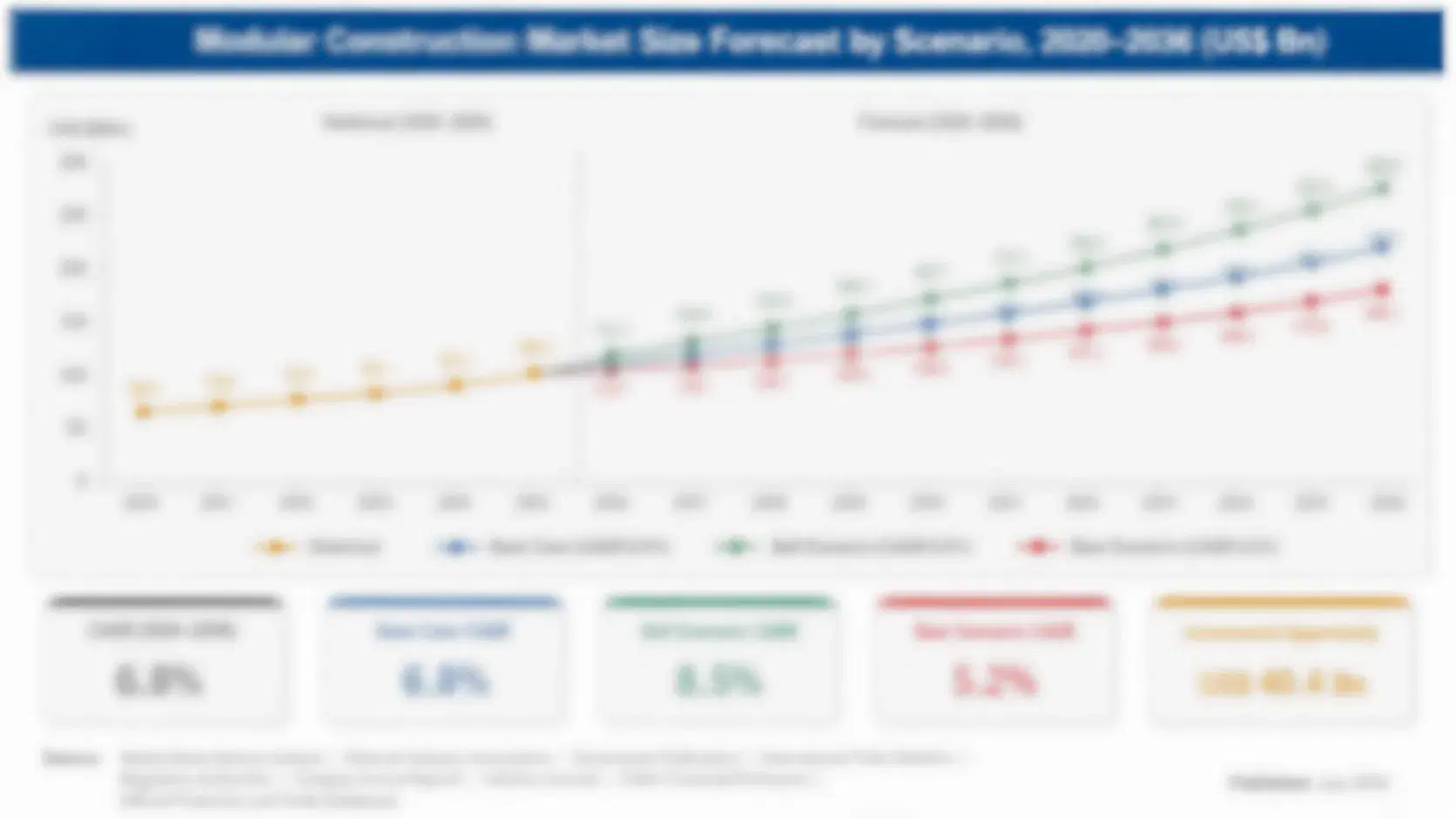
Weight Management Market Forecast Scenarios

weight-management-market-size-forecast-scenario-1787712309360
Growth from 2020 to 2025 ran at 7.4% and that single number hides a category turning inside out. Nutrition, supplements and commercial programmes grew slowly or shrank while prescription medication went from a marginal segment to the majority of category value in roughly three years. Supply rather than demand set the pace for much of it, since injector pen filling capacity, not the molecule, limited how many patients could start.
The 8.4% base case rests on three mechanisms. Prescription volume keeps expanding as fill-finish capacity comes online and as payer coverage broadens beyond the narrowest eligibility rules. Clinical obesity management services keep growing because someone has to prescribe, titrate and monitor. And access keeps widening across Asian and Latin American markets where prevalence is rising and pricing sits far below American levels. None of the three depends on new efficacy.
The bull case at 9.6% assumes oral incretin therapy reaches market at scale, removing the injector filling constraint entirely and changing the cost structure of supply. The bear case at 7.2% is discontinuation near 66% within twelve months proving durable, since a therapy people stop taking builds a revenue base that has to be continuously refilled rather than accumulated.

The Molecule Took The Market

For sixty years this category sold effort. Meal plans, points systems, group meetings, shakes, apps and coaching all rested on the same proposition, which was that the customer would do the work and the product would help. Then a drug arrived that reduces body weight by around 21% without any of that, and the proposition collapsed. Commercial programme revenue has fallen roughly 24% from peak and the sector's best known brand entered bankruptcy.
FIVE-FIRM CONCENTRATION46%Share of category revenue held by the largest suppliers
MEAN WEIGHT REDUCTION21%Body weight lost on the most effective current therapy
TWELVE-MONTH DISCONTINUATION RATE66%Patients stopping treatment within a year of starting
ANNUAL LIST PRICE$13,000Yearly cost before any rebate or discount is applied
PRESCRIPTION SEGMENT SHARE58%Category value now coming from prescribed medication alone
PROGRAMME REVENUE DECLINE24%Fall in commercial diet programme revenue since its peak
The constraint on growth was never the molecule. Both leading manufacturers could synthesise peptide faster than they could fill injector pens, and fill-finish capacity became the number that determined how many patients could start therapy in any given quarter. Billions went into building it. Compounded copies flooded the gap while the shortage persisted and disappeared once it was formally resolved.
Underneath the growth sits a fact nobody has solved. Roughly 66% of patients stop within twelve months, through cost, side effects, coverage loss or simply deciding they are finished, and weight generally returns afterwards. A chronic therapy most people abandon inside a year produces a revenue base that must be continuously refilled rather than accumulated.
"Everyone is modelling how many people start. The number that decides whether this is a hundred billion dollar market or a four hundred billion dollar one is how many are still injecting in month thirteen, and nobody knows it yet."
Director, Metabolic Health Practice · MMA Pharmaceuticals and Consumer Health Practice · August 2026

Market Trends

Prescription Therapy Displaces Sixty Years Of Programmes

Incretin therapy reducing body weight by around 21% removed the central proposition of every commercial programme, meal replacement range and coaching subscription in the category at a stroke. Programme revenue has fallen roughly 24% from peak and the sector's most recognised brand entered bankruptcy protection. Some operators have pivoted to prescribing and monitoring alongside the drugs rather than competing with them, which is the only viable response anybody has identified so far. Selling effort against a drug that removes the need for effort was never going to work for long.
Market Impact: Delivers 21% against 8% previously
Fill-Finish Capacity Rather Than Molecule Limits Supply

Peptide synthesis was never the bottleneck. Filling and finishing injector pens at the required volumes was, and both leading manufacturers committed billions to capacity that takes years to validate and bring online. Patients waited while plants were built. Oral incretin formulations would remove that constraint entirely and change the cost structure of supply, which is why every manufacturer in the field is pursuing them with considerable urgency now. Money could not compress the validation timeline in any useful way, which is why patients waited rather than simply paid more for it.
Market Impact: Grows India fastest at 10.4%

Market Opportunities and Growth Drivers

Efficacy Gap Over Every Previous Option Is Enormous

Around 21% mean body weight reduction against the five to eight percent that lifestyle programmes achieved in their best trials is not an incremental improvement but a different order of result entirely. Patients and clinicians both understood that immediately. Demand therefore appeared far faster than any launch model predicted, and it created a willingness to pay near 13,000 dollars a year in list price that no consumer weight product has ever come close to commanding. Nothing in the previous sixty years of this category came anywhere close to that at all.
Market Impact: Loses 66% within 12 months

Asian Prevalence Rises While Pricing Sits Far Lower

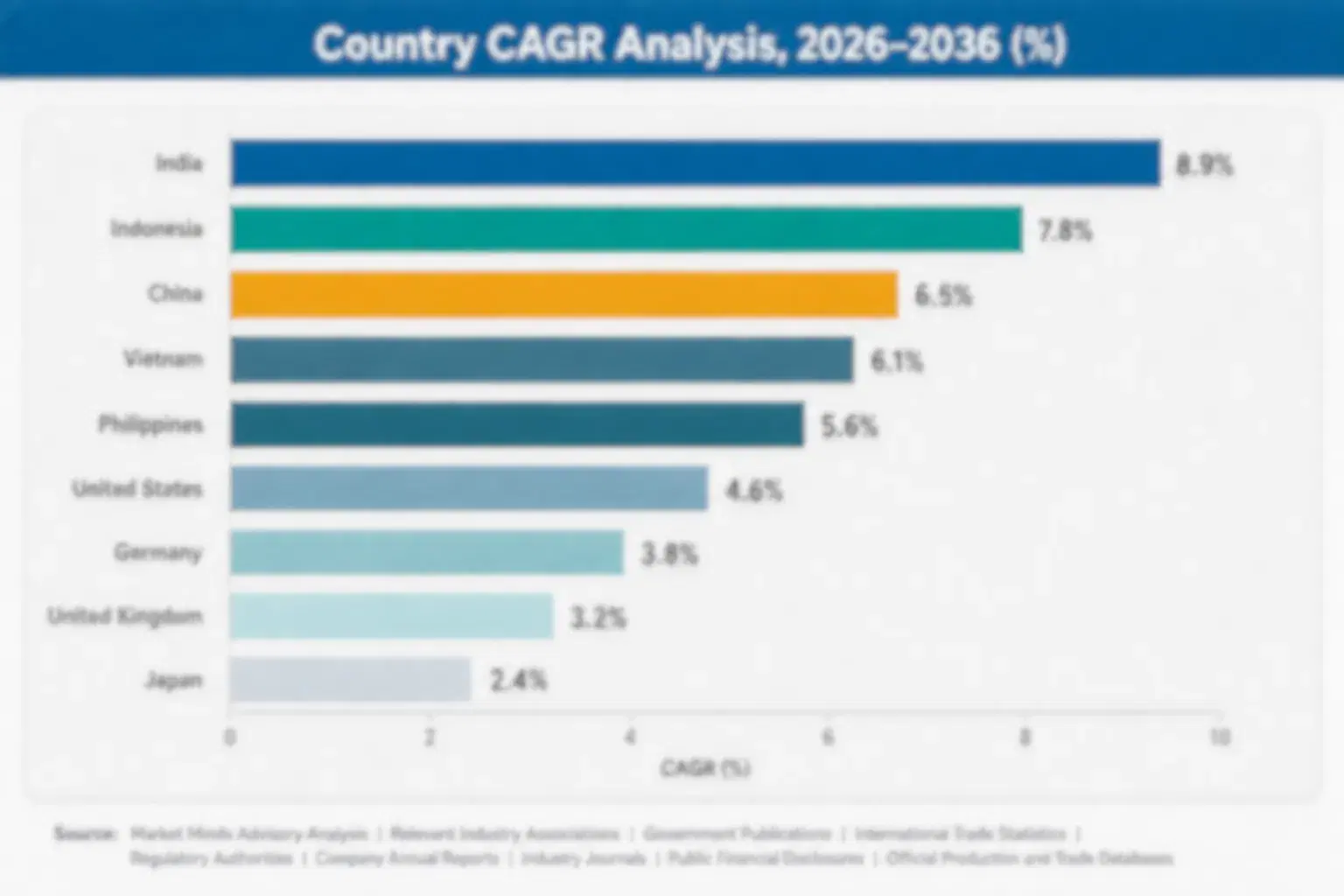
Obesity and metabolic disease prevalence is climbing quickly across Indian and Chinese urban populations, and India grows fastest of any country at 10.4% as domestic manufacturers prepare for patent expiry on the earlier incretin agents. Pricing there will sit at a small fraction of American levels, which changes the arithmetic of every access programme. Volume growth and revenue growth in this region will diverge sharply for the rest of the decade. Access programmes and tiered pricing will matter far more here than anything at all a marketing budget can possibly do.
Market Impact: Prices at $13,000 per year

Market Restraints and Challenges

Two Thirds Of Patients Stop Within A Year

Roughly 66% discontinue within twelve months through cost, gastrointestinal side effects, coverage loss or a decision that they have finished, and weight generally returns afterwards. Root cause is that a chronic therapy is being used by many people as a course of treatment. Commercial impact is a revenue base requiring continuous refilling rather than accumulating. Mitigation runs through titration support, side effect management and maintenance dosing, all of which improve persistence measurably. A therapy people treat as a course rather than a regimen builds no installed base at all anywhere.
Market Impact: Cuts programme revenue by 24%

Payers Restrict Coverage Against A Thirteen Thousand Dollar Price

An annual list price near 13,000 dollars applied to a very large eligible population produces budget arithmetic no payer accepts without restriction, so eligibility criteria, prior authorisation and duration limits are used everywhere. Root cause is population size multiplied by chronic duration. Commercial impact is that clinical eligibility and reimbursed eligibility differ enormously. Mitigation involves outcomes-based contracting and net pricing concessions, both of which several manufacturers have already begun offering. Employer plans have been the swing factor in North America, adding and withdrawing coverage faster than any national payer moves.
Market Impact: Constrains starts by 1 process
4 additional market trends, 2 additional growth drivers, and 3 additional restraints and challenges are covered in the full report. Contact sales@marketmindsadvisory.com to access the complete intelligence.

Segment CAGR and Growth Architecture

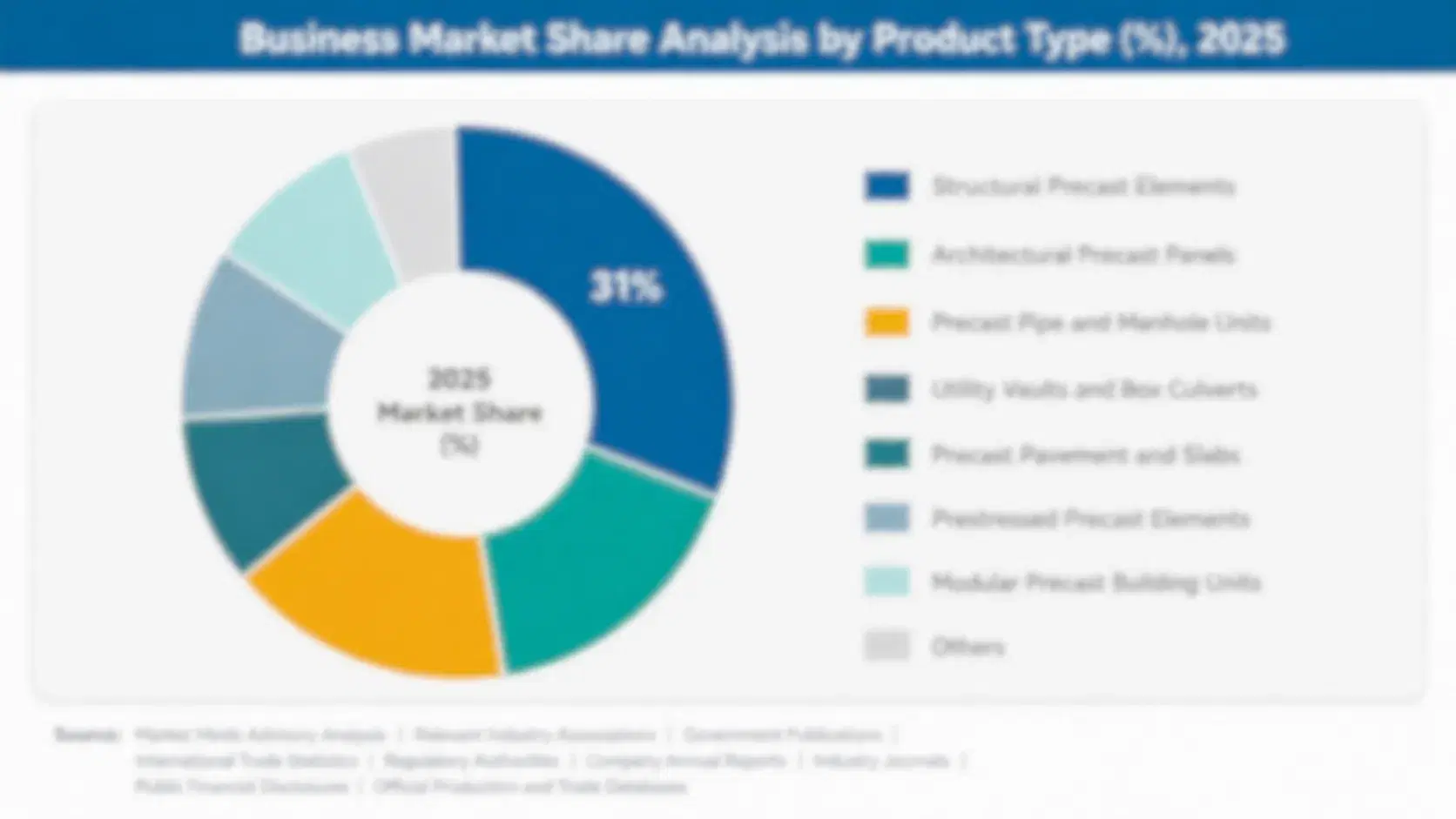
Segmentation follows product and service type: what the customer actually buys and through which channel it is supplied. Six categories cover the market without overlap. Patient eligibility, payment source and clinical setting are treated as separate commercial dimensions throughout this report rather than as segmentation logic in their own right, since each cuts across all six categories.
weight-management-market-market-share-analysis-1787712309544

Prescription Anti-Obesity Medications

Incretin receptor agonists and earlier pharmacological agents grow at 12.6%, half again the market rate of 8.4%, and now carry 58% of category value after holding almost none of it five years ago. Efficacy near 21% body weight reduction is the entire reason. Supply was limited by injector pen filling rather than by peptide synthesis, and payer restriction rather than clinical eligibility determines who actually receives therapy. Discontinuation near 66% within twelve months is the segment's central unresolved commercial and clinical problem. Patent protection on the earlier agents expires inside the forecast period, and manufacturers across Asia are already positioning for pricing at a small fraction of current Western levels.
CAGR 12.6%

Clinical Obesity Management Services

Specialist clinics, telehealth prescribing platforms and structured monitoring programmes grow at 9.0% because somebody has to assess eligibility, prescribe, titrate doses and manage side effects for a therapy that two thirds of patients otherwise abandon within a year. The segment barely existed as a distinct business before incretin therapy created it. Several former commercial programme operators pivoted here rather than competing with the drugs directly, which has proved the only viable response anybody in that sector has found. Patients managed through structured clinics persist considerably longer than those handed a prescription and a pharmacy address, which is the strongest argument the segment has for being paid separately from the drug itself.
CAGR 9.0%
Full segment breakdown across 6 segments available in the complete report.

Regional Architecture and Country Demand Map

Geography follows pricing and payer willingness far more than prevalence. North America concentrates spending well beyond its share of patients, while Asian markets carry rising prevalence at a fraction of the price. Prevalence on its own would have produced an entirely different regional picture altogether.

North America

North America holds 44% against a normal band ceiling of 32%, a deliberate exception because American list pricing near 13,000 dollars a year combines with the highest obesity prevalence in the developed world to concentrate spending far beyond the region's share of patients. Employer and commercial plan coverage decisions have shaped access more than clinical guidelines have. Compounded supply filled the shortage gap and closed when the shortage formally resolved. Telehealth prescribing platforms scaled here faster than anywhere in the world. Employer plans have added and withdrawn coverage faster than any national payer moves, which makes access unusually volatile for individual patients and unusually difficult for manufacturers to forecast against.
Share: 44% | CAGR: 7.6% (2026 to 2036)

Western Europe

National health systems assess incretin therapy against budget impact rather than list price alone, which has produced narrow eligibility criteria, duration limits and staged rollouts across Britain, Germany and the Nordic countries. Net pricing sits well below American levels. Commercial programme operators have contracted sharply here as well, though slower than in North America. Denmark holds an unusual position as both a manufacturing base and a market, and the sector's contribution to national output has become a genuine macroeconomic factor. Persistence appears better here than in North America, which prescribers attribute to the structured follow-up that national systems build around any restricted therapy they agree to fund at all here.
Share: 20% | CAGR: 6.8% (2026 to 2036)
Regional intelligence for 5 additional markets available in the complete report: East Asia, South Asia and Pacific, Latin America, Middle East and Africa, Eastern Europe. Contact sales@marketmindsadvisory.com.
weight-management-market-country-cagr-analysis-1787712309725

Keeping Patients On Their Therapy

Roughly 66% of patients stop within twelve months, list pricing near 13,000 dollars forces payer restriction, prescription now carries 58% of value, and filling capacity rather than molecule limited supply. Four levers work on persistence, payer economics, service capacity and manufacturing constraint rather than on demand, which has never once been the problem here.

Attack Discontinuation Before Chasing New Starts

Around 66% of patients stop within twelve months, so a manufacturer adding 100 new starts retains roughly 34 of them a year later and spends again to replace the rest. Titration support, side effect management, maintenance dosing and structured follow-up all improve persistence measurably and cost a fraction of acquiring a new patient. The industry has spent most of its commercial energy on starts because starts are visible and persistence is not. Starts can be counted this quarter; persistence shows up a year later and nobody is measured on it.
Market Impact: Retains just 34 of every 100 patient starts

Contract On Outcomes Rather Than List Price

An annual list price near 13,000 dollars across a very large eligible population produces budget arithmetic no payer accepts without restriction, and prior authorisation, eligibility narrowing and duration caps follow automatically. Outcomes-based contracts tied to weight reduction achieved and maintained shift the conversation from unit price to value delivered. It requires data infrastructure neither side has fully built, and it is the only route to broader coverage. Payers restrict rather than negotiate when a price multiplied by a population produces a number larger than their entire annual drug budget allows.
Market Impact: Addresses a $13,000 annual list price problem directly

Build The Prescribing And Monitoring Layer Deliberately

Someone has to assess eligibility, prescribe, titrate and manage side effects, and clinical obesity management services grow at 9.0% precisely because that work has to happen somewhere. Manufacturers who support that layer, and programme operators who pivoted into it, capture value that pure product supply does not. Competing against the drugs was never viable for a coaching business; working alongside them has proved to be the only response that survived contact with reality. Payers have begun funding that support separately from the drug, which nobody expected them to do at all.
Market Impact: Grows the clinical service layer at 9.0% annually

Remove The Injector Filling Constraint Entirely

Fill-finish capacity rather than peptide synthesis determined how many patients could start therapy, and both leading manufacturers committed billions to plants that take years to validate. Oral formulations remove that constraint completely and change the cost structure of supply, which is why every serious participant is pursuing them. Whoever reaches scale first with an oral agent gains a manufacturing advantage that a competitor cannot answer by spending money faster. Tablet lines validate in a fraction of the 4 or 5 years an injector filling plant needs, which changes the whole planning horizon.
Market Impact: Eliminates the 1 constraint that actually limits starts

Who Controls the Margin Pool

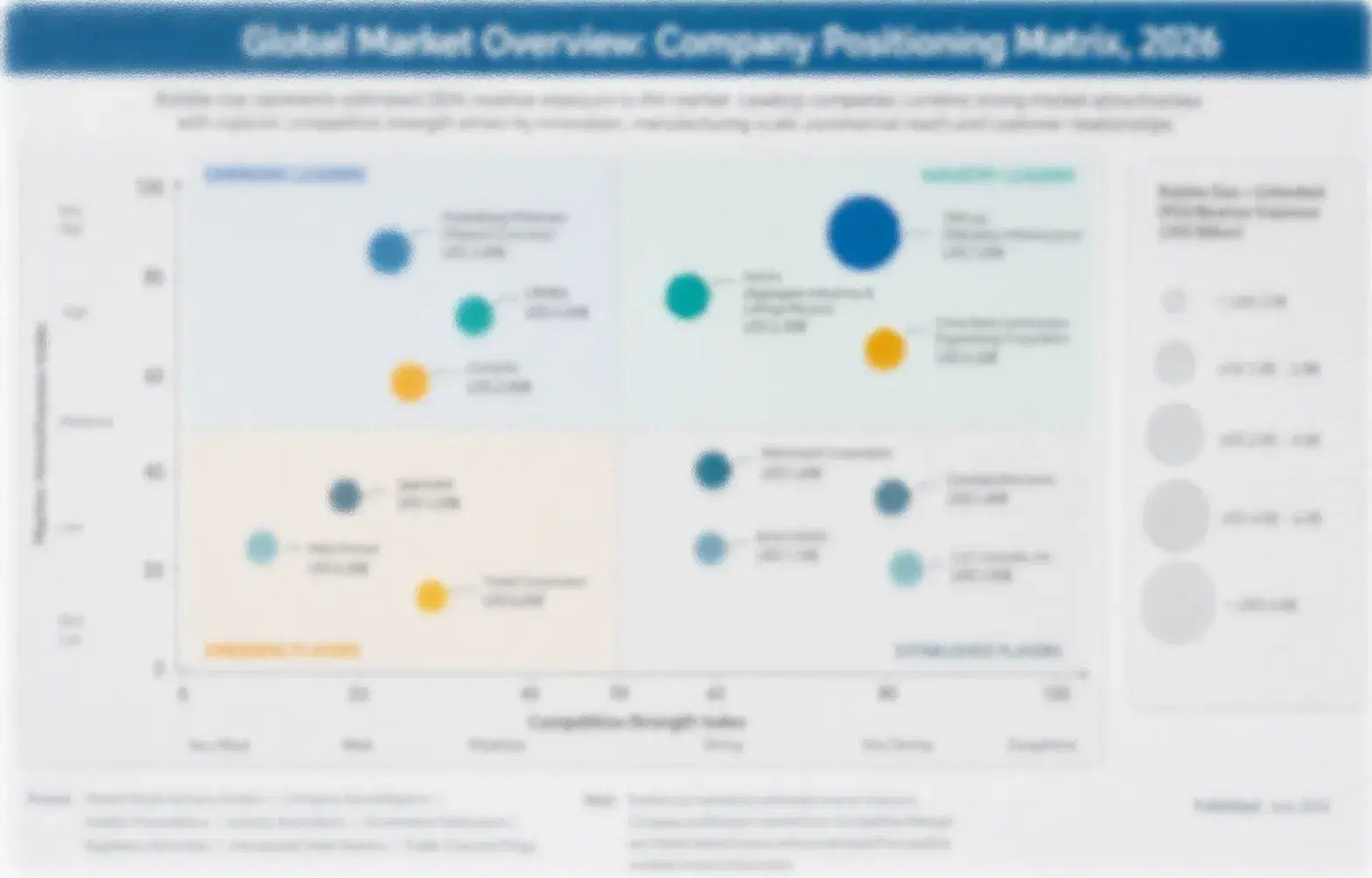
Measured on disclosed weight management product and service revenue, the five largest suppliers hold a CR5 of 46%, and the composition of that group changed completely within about three years. Novo Nordisk and Eli Lilly hold the incretin positions that reshaped the category, Nestle Health Science leads clinical and consumer nutrition, Herbalife retains a substantial direct selling network, and Medtronic holds bariatric surgical device depth that predates all of it. None of those five competed with each other five years ago.
Three contests define activity. Incretin therapy competes on efficacy, tolerability and dosing convenience rather than on price, since payers restrict rather than negotiate. Clinical services compete on prescribing capacity and persistence outcomes. And nutrition and programme operators compete for whatever relevance remains after the drugs took the proposition. Bariatric device suppliers compete for procedures the drugs increasingly avert.

Pressure builds from patent expiry approaching on the earlier incretin agents and from oral formulations that would reset manufacturing economics. Rankings shift toward whoever solves persistence, since starts without retention rebuild the same revenue every year. The category's eventual size is a persistence question rather than an efficacy one.
weight-management-market-company-positioning-matrix-1787712309905

Competitive Moat and Risk Dimensions

NOVO NORDISK

Moat: Peptide Manufacturing And Clinical Depth

Novo Nordisk built peptide manufacturing and injector filling capacity over decades of insulin production, which is exactly the capability the incretin era demanded and which a competitor cannot assemble quickly. Clinical evidence across cardiovascular and metabolic outcomes extends the label beyond weight alone. That combination of physical capacity and trial depth took a very long time to build.
NOVO NORDISK

Risk: Patent Expiry And Oral Displacement

Patent protection on the earlier incretin agents expires within the forecast period, and domestic manufacturers across Asia are already positioning for it at pricing a fraction of current levels. Oral formulations would simultaneously devalue the injector filling capacity that currently constitutes an advantage. Both pressures arrive in the same window.
ELI LILLY

Moat: Dual Agonist Efficacy Position

Eli Lilly holds the strongest efficacy position in the category, with dual receptor agonism producing weight reduction around 21% that competing single-target agents have not matched in head to head evidence. In a therapy area where efficacy is the entire purchasing argument, that position is unusually defensible. Manufacturing investment has kept pace better than most observers expected.
ELI LILLY

Risk: Discontinuation Undermines Revenue Durability

Roughly 66% of patients stop within twelve months regardless of which agent they started, so efficacy leadership converts into starts rather than into a durable installed base. Revenue must be rebuilt continuously rather than accumulated. Payer duration limits and side effect burden both contribute, and neither is a problem that better efficacy alone resolves.

Players Tracked

Prominent Players

Novo Nordisk
Eli Lilly
Nestle Health Science
Herbalife
Medtronic

Other Key Players

Abbott
Danone
Glanbia
USANA Health Sciences
Amgen
Boehringer Ingelheim
Zealand Pharma
Currax Pharmaceuticals
Noom
Hims & Hers Health
Johnson & Johnson MedTech
Olympus
Apollo Endosurgery
Slimming World
WW International

Recent Developments

FEBRUARY 2025

Regulator confirms resolution of incretin therapy supply shortage

The Food and Drug Administration confirmed that the supply shortage for a leading incretin agent had been resolved, a regulatory determination rather than any commercial transaction. Compounding pharmacies had been permitted to supply copies during the shortage, and that permission ended with the formal determination itself.
Signal: Shortage resolution closed a cheap supply channel that a great many patients had been relying upon.
MAY 2025

Commercial diet programme operator enters bankruptcy protection

A long-established commercial weight management programme operator entered bankruptcy protection after several years of declining membership and revenue. This was a corporate restructuring filing rather than any acquisition or merger, and it followed the arrival of pharmacotherapy delivering results that no programme had ever come close to approaching.
Signal: Sixty years of programme-based business models did not survive just three years of genuinely effective pharmacotherapy.
SEPTEMBER 2025

Manufacturer commissions additional injector filling capacity

A manufacturer commissioned additional fill-finish capacity for injector pen production after multi-year construction and validation, an organic capacity expansion rather than any acquisition or joint venture. Filling rather than peptide synthesis had determined how many patients could start therapy in each and every preceding quarter of the period.
Signal: Physical filling capacity rather than molecule availability has governed patient starts right through this entire period.

Peptide, Pens And Filling

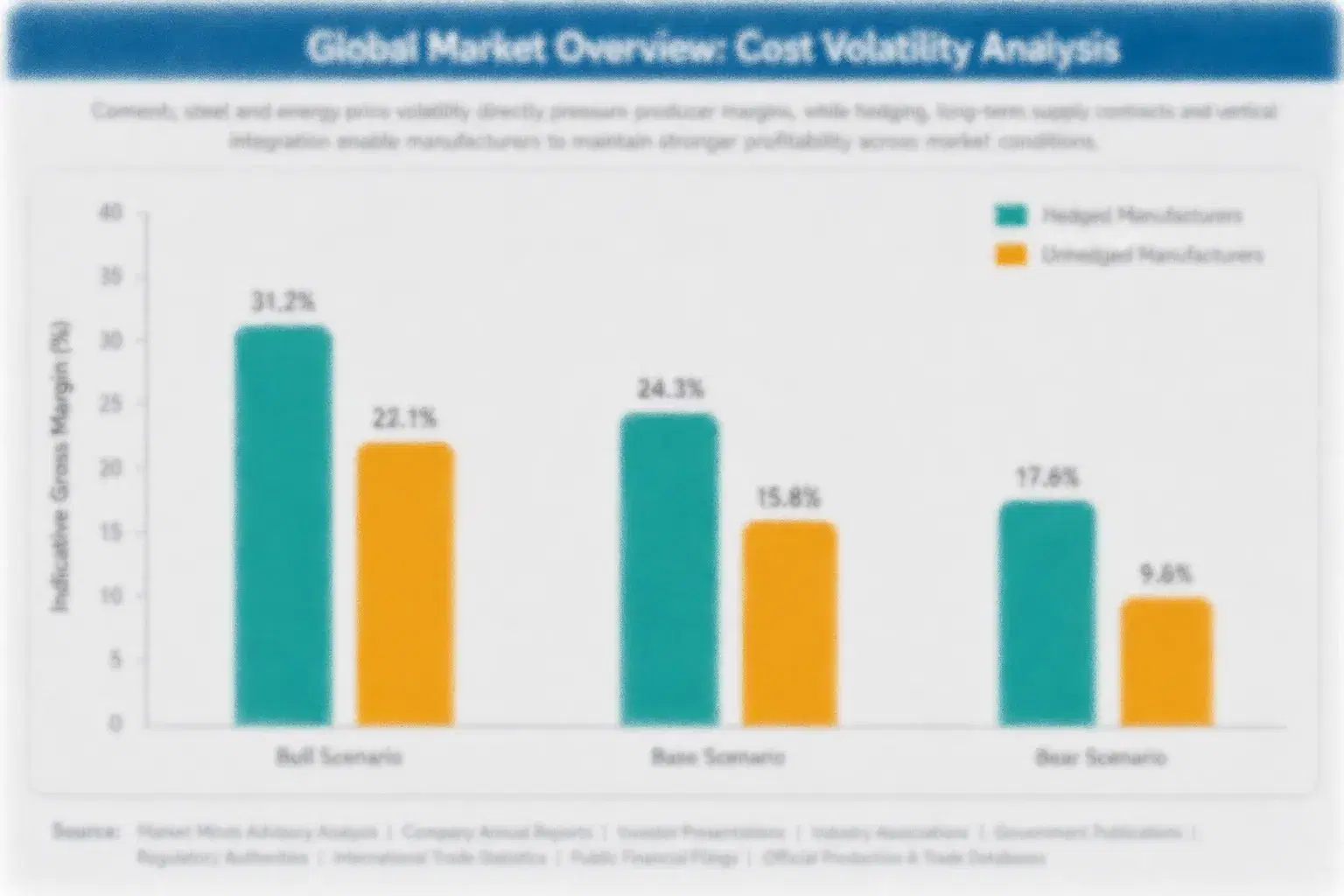
Cost sits in places that surprise people expecting a small molecule structure. Peptide active ingredient produced by solid phase or recombinant synthesis, injector pen components including borosilicate cartridges, needles and moulded assemblies, fill-finish operations, and cold chain distribution together account for 24 to 33% of prescription product cost. Fill-finish carries most of the capital burden. Nutrition products run on dairy and cocoa inputs behaving nothing like this.
The volatility that mattered was capacity rather than commodity price. Fill-finish lines take years to build, validate and license, and both leading manufacturers reported capacity as the binding constraint on patient starts, which Novo Nordisk Annual Report 2024 and Eli Lilly Annual Report 2024 both set out. Borosilicate cartridge and needle supply tightened alongside it across the same period. Money could not compress the validation timeline.

Exposure divides by manufacturing position rather than by scale of demand. Manufacturers holding validated filling capacity converted demand into revenue; those without it watched demand go unmet regardless of how much peptide they could make. Nutrition and supplement suppliers in the same category face dairy and commodity input exposure entirely unrelated to any of this. Oral formulation would move the cost structure toward conventional tablet manufacture entirely.
weight-management-market-cost-volatility-analysis-1787712310095

Commit fill-finish capacity years ahead of demand

Filling lines take years to build, validate and license, so capacity committed today serves demand that arrives well after the decision was made and cannot be accelerated with money afterwards. Building ahead risks stranded investment if the field shifts. It converted demand into revenue for the manufacturers who did it, and left unmet demand with those who waited for certainty.

Qualify cartridge and needle supply across multiple producers

Borosilicate cartridges, needles and moulded pen components come from a limited group of specialist producers whose capacity tightened alongside filling as incretin volumes climbed sharply. Qualifying additional producers costs validation across every device configuration in the range. It removes a dependency that would halt pen output entirely, independent of how much filling capacity a manufacturer has built.

Develop oral formats to escape the constraint completely

Oral incretin formulations remove injector filling from the supply chain altogether and shift production toward conventional tablet manufacture with far shorter capacity lead times and lower capital intensity. Development risk is substantial and bioavailability remains the central technical problem. It changes the competitive basis from who built plants fastest to who solved absorption, which is a different contest entirely.

Portfolio Architecture for Margin Defence

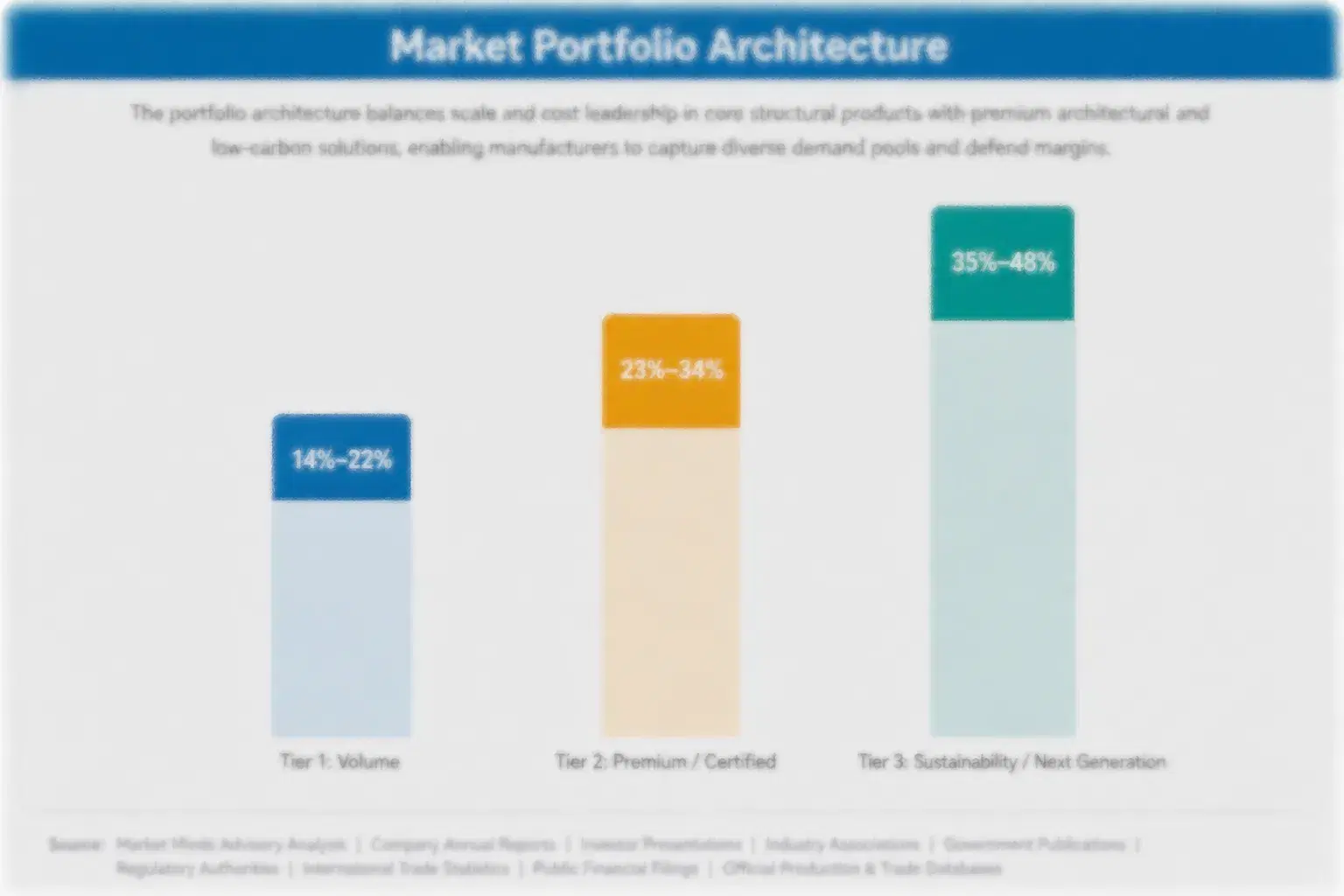
Margin follows clinical efficacy and patent protection, which has rearranged the category's economics completely. Commercial programmes and digital coaching now earn poorly against a proposition the drugs removed. Meal replacement nutrition earns modestly on brand and retail presence. Over-the-counter supplements earn moderately on consumer credulity that pharmacotherapy has begun eroding. Bariatric devices earn well on surgical channel positions. Prescription incretin therapy earns best by a very wide margin indeed.
The tension is that the highest margin segment has the least durable patient relationship. Around 66% of patients stop within twelve months, so revenue is rebuilt each year rather than accumulated, while the low-margin nutrition and programme businesses had customer relationships lasting years. Nobody would trade positions, but the durability question matters enormously for anybody modelling this market a decade out from now.

High-value pools sit in three places. Incretin therapy under patent protection, which will not last the forecast period. Clinical obesity management services, where prescribing and monitoring capacity is genuinely scarce. And persistence support programmes, which are not products at all but determine whether a start becomes a year of revenue or three months of it.

Volume / Commodity-Adjacent

Commercial programmes, digital coaching subscriptions and meal replacement nutrition competing for relevance after pharmacotherapy took the proposition. The 12-point range reflects how differently contracting subscription businesses and established retail nutrition brands are holding their pricing.
Gross Margin: 18-30%

Premium / Certified

Over-the-counter supplements, bariatric surgical devices and clinical monitoring services sold through retail and surgical channels. The 14-point spread separates consumer supplement economics from surgical device economics, which share a tier and nothing else at all.
Gross Margin: 44-58%

Sustainability / Regulatory / Next-Generation

Patent-protected incretin therapies and specialist obesity clinic services delivering measured clinical outcomes. The 14-point range is wide because patented pharmacotherapy and clinical service delivery carry entirely different cost structures within the same tier.
Gross Margin: 72-86%
weight-management-market-portfolio-architecture-1787712310293

High-value Sub-segments and Strategic Watch-out

Patent-Protected Incretin Therapy

Highest margin and fastest growth at 12.6%, carrying 58% of category value on efficacy near 21% weight reduction. The risk is that patent expiry on earlier agents arrives inside the forecast period and domestic Asian manufacturers are already positioned for it. Timing there is not favourable.
Gross Margin: 78-86%

Clinical Obesity Management Services

Growing at 9.0% because prescribing, titration and side effect management have to happen somewhere and capacity is genuinely scarce. The risk is that the segment depends entirely on a drug class whose long-term persistence remains completely unproven. That dependency runs in only the one direction.
Gross Margin: 56-68%

Weight Management Nutrition

The volume core in unit terms, retaining retail presence and customer relationships lasting years rather than months. Suppliers hold it because it still generates cash while the pharmaceutical segment resolves whether its own patients stay on therapy. It buys time rather than any growth now.
Gross Margin: 28-40%

Discontinuation Revenue Erosion

The strategic watch-out. Roughly 66% of patients stop within twelve months, so revenue must be rebuilt annually rather than accumulated the way chronic therapy usually does. The risk is a market sized on starts and delivered on persistence nobody has yet demonstrated. Nobody knows the answer yet.
Gross Margin: 70-82%

Chronic Therapy, Acute Behaviour

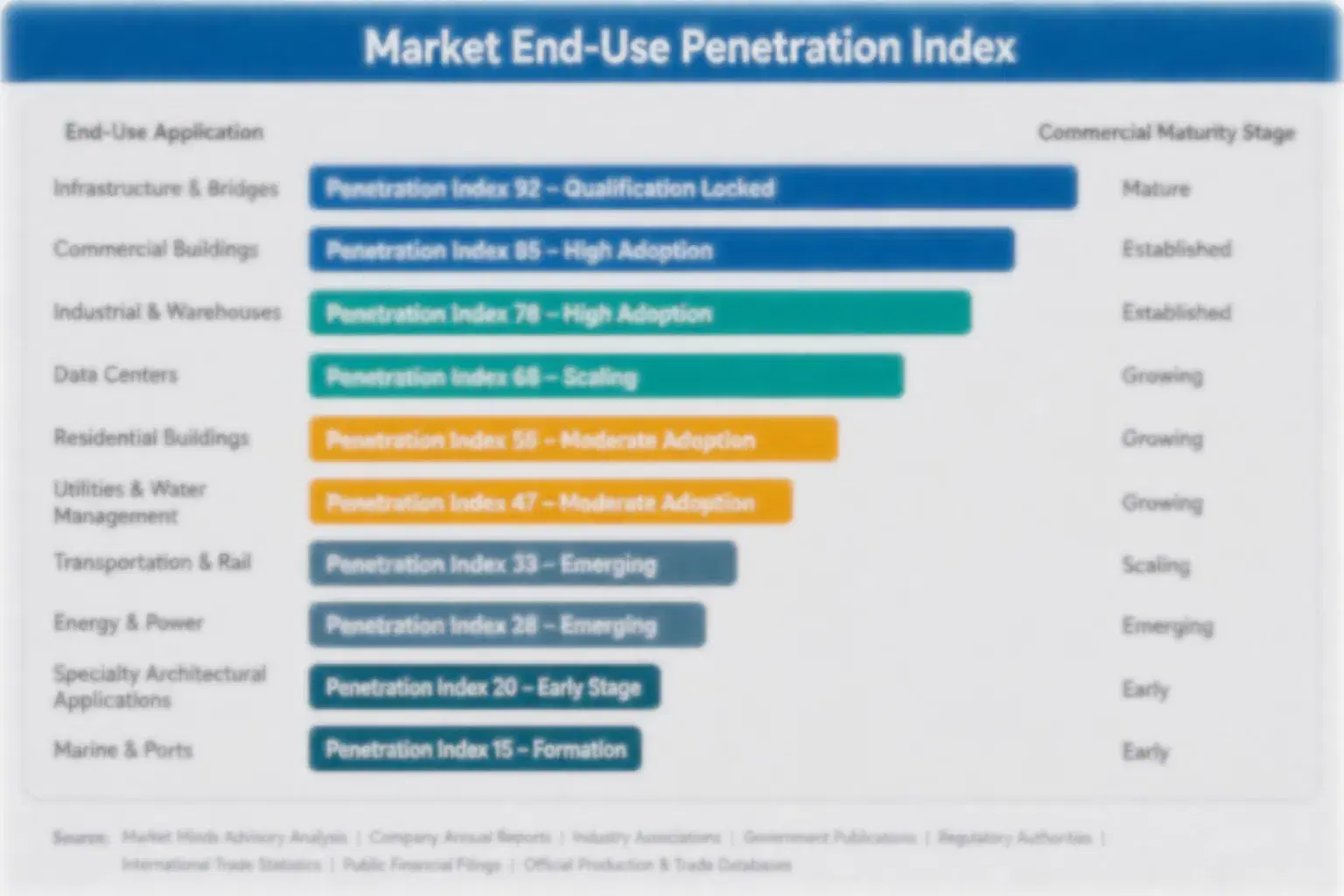
Obesity is chronic and incretin therapy is designed for chronic use, but patients behave as though given a course of treatment. Roughly 66% stop within twelve months and weight generally returns, which means the accumulating patient base this market was modelled on, resembling statins or antihypertensives, has not so far materialised. What materialised is a large annual intake that mostly does not reach a second year.
Stickiness varies with how much support surrounds the prescription. Patients managed through specialist clinics with titration guidance, side effect management and structured follow-up persist considerably longer than those given a prescription and a pharmacy. Employer-covered patients persist while coverage lasts and stop abruptly when it changes. Self-funding patients are least persistent of all, since a 13,000 dollar list price is a monthly decision, not a single one.

The decision maker has moved from the individual to the payer almost entirely. Weight management was for sixty years a private personal purchase, and the customer decided everything. Coverage policy, prior authorisation criteria and duration limits now determine who receives therapy far more than clinical eligibility or personal willingness does. That buyer weighs population budget impact, a calculation the old category never faced.
weight-management-market-end-use-penetration-index-1787712310483

Persistence Decides The Size

These are among the four positions where our research anticipates prominent divergence between winners and laggards over the coming forecast period. Each is grounded in the demand model, the regulatory perimeter, and the announced capacity pipeline.
01 / PERSISTENCE PROGRAMME INVESTMENT

Starts are visible, retention is not

Roughly 66% of all patients stop within twelve months, so a manufacturer adding 100 new starts retains around 34 of them a year later and then has to spend all over again to replace the others. Titration support, side effect management, maintenance dosing and structured patient follow-up each improve persistence measurably at a small fraction of what acquiring a replacement patient costs. The industry has spent almost all its commercial energy on starts, largely because starts can be counted immediately.
02 / PAYER VALUE CONTRACTING

List price is a budget problem, not a price

An annual list price near 13,000 dollars applied across an enormous eligible population produces a piece of budget arithmetic that no payer anywhere accepts without restriction, so prior authorisation, narrowed eligibility criteria and duration caps all follow entirely automatically everywhere. Outcomes-based contracts tied to weight reduction achieved and then maintained shift the conversation from unit price toward value actually delivered. It needs data infrastructure that neither side has yet built, and nothing else on offer broadens coverage in the same way.
03 / SERVICE LAYER CONSTRUCTION

Somebody has to titrate and monitor

Assessing eligibility, prescribing, titrating the doses and managing gastrointestinal side effects all have to happen somewhere, which is exactly why clinical obesity management services now grow at 9.0% from a base that barely existed a few years ago. Manufacturers supporting that layer and programme operators who pivoted into it both capture value that pure product supply never touches at all. Competing against the drugs was never once viable for a coaching business, and working alongside them has proved to be.
04 / ORAL FORMAT RACE

Whoever solves absorption resets the economics

Fill-finish capacity rather than peptide synthesis alone determined how many patients could actually start therapy, and both of the leading manufacturers committed billions to plants requiring years of construction and validation before any licensing. Oral formulations remove that constraint completely and shift production toward conventional tablet manufacture, with far shorter lead times and much lower capital intensity. Whoever reaches genuine scale first gains a manufacturing advantage that no competitor answers simply by choosing to spend money faster than they did.

Engagement Snapshot From the Field

A live engagement with an industry participant carrying material or product regulatory and market exposure ahead of a defining policy shift, showing how our research translates into a defensible multi-year portfolio strategy.
MARKET MINDS ADVISORY · CLIENT ENGAGEMENT SUMMARY
Weight Management Producer Strategic Portfolio Review and Transition Roadmap 2026·Investment Scenario on Weight Management Exposure Evaluation 2025-26
CLIENT PROFILE
A weight management group operating meal replacement brands and a subscription coaching programme across North American and European markets, with reported category revenue of 640 million dollars (client-reported, unverified by MMA). Roughly 58% came from the coaching subscription. Membership had declined for eight consecutive quarters and no clinical or prescribing capability existed anywhere in the business.
STRATEGIC CHALLENGE
Subscription membership was falling steadily as prescription therapy delivering around 21% weight reduction removed the proposition the programme had been built on since the 1970s. Management was preparing a marketing relaunch and a pricing reduction. Neither engaged with the fact that the product no longer competed with the alternative on any measure that mattered to a customer.
MMA APPROACH
MMA analysed membership cohorts against local prescribing rates and payer coverage, a comparison the group had never constructed. Twenty-six expert interviews with former members, prescribers, telehealth operators and payer medical directors established why members were leaving and where they were going. The analysis treated the service layer around pharmacotherapy rather than programme relaunch as the available route forward.
KEY FINDINGS
  1. Membership decline correlated closely with local prescription uptake by postcode, which established the cause beyond any reasonable doubt for the management team.
  2. Former members overwhelmingly described switching to pharmacotherapy rather than abandoning weight management, so the demand had moved elsewhere rather than disappeared entirely.
  3. Roughly two thirds of patients stopped medication within a year, and prescribers reported having neither the time nor the structure to support them properly.
  4. Payer medical directors valued documented persistence support and were open to paying for it separately from either the drug or the coaching subscription.
CLIENT PROFILE
A weight management group operating meal replacement brands and a subscription coaching programme across North American and European markets, with reported category revenue of 640 million dollars (client-reported, unverified by MMA). Roughly 58% came from the coaching subscription. Membership had declined for eight consecutive quarters and no clinical or prescribing capability existed anywhere in the business.
STRATEGIC CHALLENGE
Subscription membership was falling steadily as prescription therapy delivering around 21% weight reduction removed the proposition the programme had been built on since the 1970s. Management was preparing a marketing relaunch and a pricing reduction. Neither engaged with the fact that the product no longer competed with the alternative on any measure that mattered to a customer.
MMA APPROACH
MMA analysed membership cohorts against local prescribing rates and payer coverage, a comparison the group had never constructed. Twenty-six expert interviews with former members, prescribers, telehealth operators and payer medical directors established why members were leaving and where they were going. The analysis treated the service layer around pharmacotherapy rather than programme relaunch as the available route forward.
KEY FINDINGS
  1. Membership decline correlated closely with local prescription uptake by postcode, which established the cause beyond any reasonable doubt for the management team.
  2. Former members overwhelmingly described switching to pharmacotherapy rather than abandoning weight management, so the demand had moved elsewhere rather than disappeared entirely.
  3. Roughly two thirds of patients stopped medication within a year, and prescribers reported having neither the time nor the structure to support them properly.
  4. Payer medical directors valued documented persistence support and were open to paying for it separately from either the drug or the coaching subscription.
RECOMMENDED STRATEGY
Phase 1: Phase one: build clinical prescribing and monitoring capability, entering the service layer instead of competing against the therapy itself directly. Phase 2: Phase two: reposition the coaching asset as persistence support, selling documented adherence outcomes to payers rather than motivation to consumers. Phase 3: Phase three: retain nutrition brands as adjunct products for patients on therapy rather than as a standalone weight loss proposition.
OUTCOME
A clinical service pilot launched in two markets and reached meaningful patient volume within three quarters. Two payers agreed to fund persistence support separately from drug coverage (client-reported, unverified by MMA). Subscription decline continued as expected. Nutrition brands were repositioned as adjunct products and stabilised, after eight quarters managed as though the decline were a marketing failure.

Frequently Asked Questions

Foundational context covering the market sizes, CAGR, scope, country, region and competition that inform every finding below. This section is provided to cover basics and most often pre-purchase conversations, answered from the MMA Primary Research Dataset.

What is the current size of the Weight Management Market?

The market was worth 182.0 billion dollars in 2025, covering prescription medication, nutrition, programmes, supplements, bariatric devices and clinical services. It reaches 197.3 billion dollars in 2026.

How large will the Weight Management Market be by 2036?

MMA forecasts 442.0 billion dollars by 2036, an increase of 244.7 billion dollars over the 2026 base. That represents an expansion multiple of 2.24 times across the forecast period.

What is the CAGR for the Weight Management Market 2026 to 2036?

The base case compounds at 8.4% annually. The bull case reaches 9.6% if oral incretin therapy reaches scale, while the bear case sits at 7.2% on discontinuation near two thirds proving durable.

Which segment is growing fastest?

Prescription anti-obesity medications, at 12.6%, half again the market rate of 8.4%. Efficacy near 21% body weight reduction is far beyond anything previous options achieved.

Who are the major companies in the Weight Management Market?

Novo Nordisk, Eli Lilly, Nestle Health Science, Herbalife and Medtronic lead on disclosed weight management revenue. Amgen, Boehringer Ingelheim and Zealand Pharma hold notable development positions.

Which country is growing fastest?

India at 10.4%, as urban metabolic disease prevalence climbs and domestic manufacturers position for patent expiry on earlier agents. Pricing there will sit far below Western levels.

Report Segmentation Architecture

The full report scope spans multiple orthogonal segmentation dimensions, with cross-tabulated demand data provided for each dimension pair. Coverage extends further to regional breakdowns, trend trajectories, and the competitive detail needed to support segment-level decision-making.

By Product and Service Type

  • Prescription Anti-Obesity Medications
  • Meal Replacement and Weight Management Nutrition
  • Commercial Programmes and Digital Coaching
  • Over-the-Counter Supplements and Devices
  • Bariatric Surgical Devices and Consumables
  • Clinical Obesity Management Services

By End-Use Industry

  • Retail Pharmacy and Grocery
  • Specialist Obesity and Metabolic Clinics
  • Primary Care Practice
  • Hospital Bariatric Surgery Units
  • Telehealth and Digital Platforms
  • Employer and Occupational Health Programmes

By Commercial Dimension

  • Payer Reimbursed Prescription
  • Employer Sponsored Coverage
  • Direct Out-of-Pocket Purchase
  • Subscription and Membership Models
  • Telehealth Platform Supply
  • Retail Consumer Purchase

By Region

  • North America
  • Western Europe
  • East Asia
  • South Asia and Pacific
  • Latin America
  • Middle East and Africa
  • Eastern Europe

Scope, Methodology, and Coverage

Every figure in this report is reproducible from documented input assumptions. The scope below maps the historical period, the forecast horizon, the segmentation dimensions, and the countries covered, alongside the underlying primary and qualitative methodology.
Historical Period
2020 to 2025
Forecast Period
2026 to 2036
Base Year
2025 (USD billions; MMA Primary Research Dataset, August 2026)
Market Definition
Scope covers products and services purchased with the primary purpose of reducing or managing body weight, spanning prescription anti-obesity medications including incretin receptor agonists, meal replacement and weight management nutrition, commercial programmes and digital coaching subscriptions, over-the-counter supplements and consumer devices marketed for weight loss, bariatric surgical devices and procedure consumables, and clinical obesity management services covering prescribing, titration and monitoring. Diabetes therapies prescribed for glycaemic control rather than weight, general fitness equipment and gym membership, sports and performance nutrition, cosmetic body contouring and aesthetic procedures, general grocery food, and bariatric surgical fees paid as hospital services are excluded from the market size and all derived figures.
Quantitative Units
USD billions (current prices); patients treated; annual cost per patient; twelve-month persistence rate; procedures performed
Segmentation Dimensions
By Product and Service Type; By End-Use Industry; By Commercial Dimension; By Region
Regions Covered
North America, Western Europe, East Asia, South Asia and Pacific, Latin America, Middle East and Africa, Eastern Europe
Countries Covered
USA, China, Germany, UK, Japan, India, Canada, France, Brazil, Denmark, Saudi Arabia, Australia, Mexico, Italy, Poland
Key Companies Profiled
Novo Nordisk, Eli Lilly, Nestle Health Science, Herbalife, Medtronic, Abbott, Danone, Glanbia, USANA Health Sciences, Amgen, Boehringer Ingelheim, Zealand Pharma, Currax Pharmaceuticals, Noom, Hims & Hers Health, Johnson & Johnson MedTech, Olympus, Apollo Endosurgery, Slimming World, WW International
Quantitative Methodology
Primary survey, n=3,800 respondents, Q4 2025, six countries; demand-side model with trade association cross-validation
Qualitative Methodology
47 expert interviews, Q4 2025; applied to validate demand model assumptions, identify emerging dynamics, and assess competitive positioning
Report Format
PDF and XLSX data workbook (Word format preview document)
Publisher
Market Minds Advisory
Report Code
MMA-2026-HLT-145
Published
August 2026
Contact
sales@marketmindsadvisory.com | www.marketmindsadvisory.com

Purchase the full Weight Management Market Report (2026 to 2036).

The full report runs to 195 pages and covers all six product and service segments, seven regions and 20 profiled companies in detail. It includes the complete segment CAGR set, regional pricing and payer coverage comparison, and persistence modelling that sizes the market on retained patients rather than on starts alone. Company profiles carry evaluation on disclosed weight management product and service revenue, with moat and risk assessment for the top five suppliers. The competitive section extends to 18 tracked regulatory, capacity and corporate developments across 2024 and 2025. Primary research inputs include a quantitative survey of 3,800 respondents and 47 expert interviews conducted in Q4 2025.
Six product and service segments with individual CAGR forecasts
Seven regional markets with pricing and payer coverage comparison
Twenty company profiles on consistent revenue evaluation basis
Eighteen tracked regulatory and capacity developments with commercial interpretation
Persistence modelling sizing the market on retained patients
Fill-finish capacity assessed as the binding constraint on starts

Built For The People Who Decide

From boardroom strategy to bench-side execution, this report is read cover-to-cover by leaders shaping the next decade of their industry, turning demand scenarios, market dynamics and valuation benchmarks into decisions.
CXOs/ Presidents/ VPs/ Managers
M&A and Corporate Development
Strategy Teams and R&D Heads
Procurement and Product Directors
Regulatory and Compliance Leaders
Investor Relations and Equity Analysts