
Market Minds Advisory
Veterinary Molecular Diagnostics Market

Veterinary Molecular Diagnostics Market: A Consumer Business Wearing A Laboratory Coat

Roughly two in five molecular tests here are bought online by pet owners with no veterinarian involved anywhere, which makes this the only diagnostics category with a genuine retail channel.

Lead Analyst

Published

September 2026

Make Smarter Decisions with Customized Research Insights

Request a free sample report and evaluate market opportunities, growth trends, and competitive dynamics relevant to your business needs.

2025 MARKET VALUE$1.6BMarket Size 2025
2036 FORECAST VALUE$3.7BBase Case , 2026 to 2036
CAGR 2026 TO 20368.0 %Bull 9.2% / Bear 6.8%
INCREMENTAL OPPORTUNITY$2.0BNet 10- year value creation
EXPANSION MULTIPLE2.16x2036 value over 2026 base
Strategic Levers
M&A Pipeline
Regional Outlook
Country Rankings
Competitive Intelligence
Segmental Deep-dive
Call-Us : 91 93563 13602

Executive Snapshot and Market Trajectory

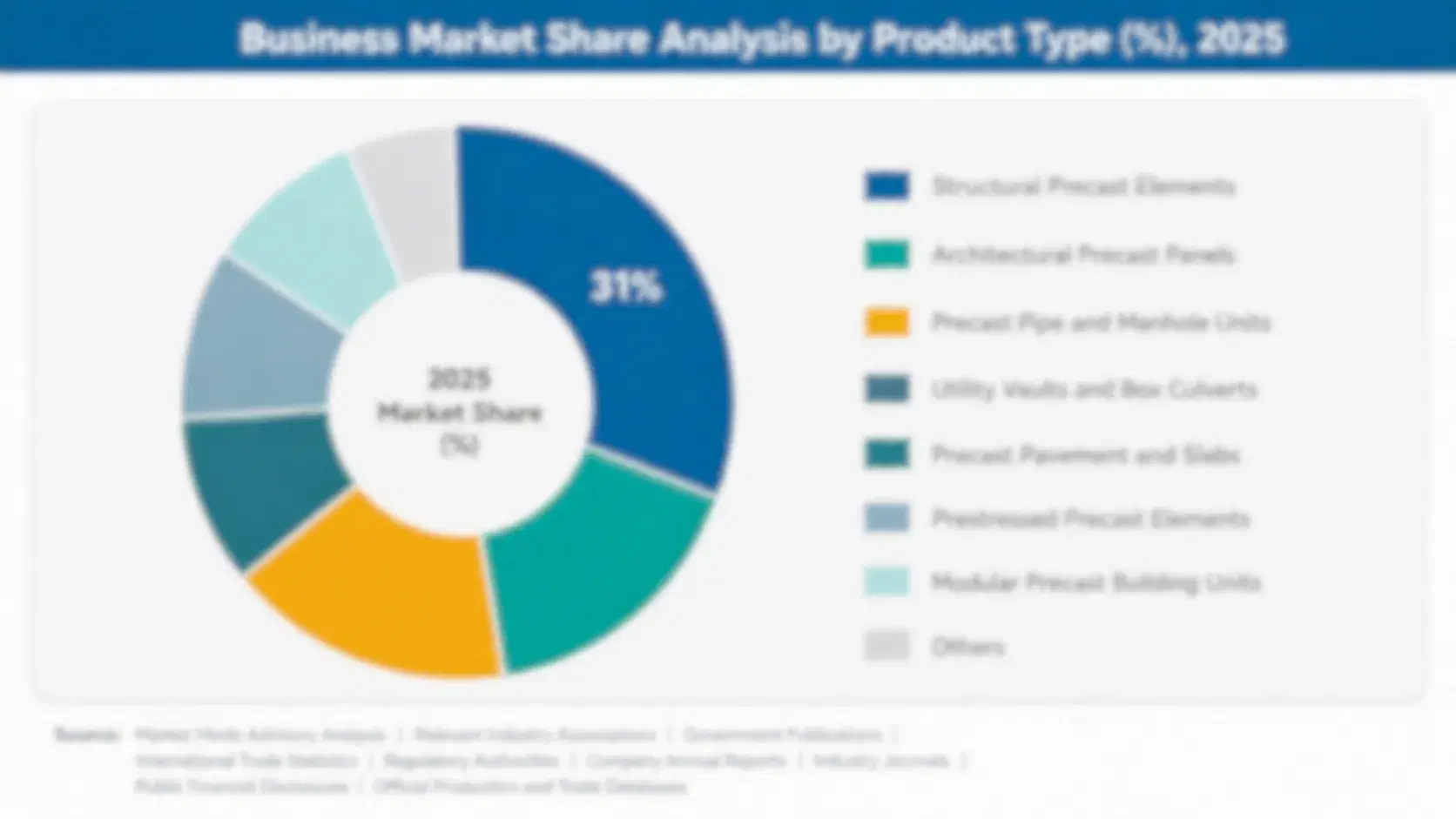
About 41% of molecular test volume here is sold directly to pet owners at around 95 dollars a kit, with no veterinarian involved at any stage. That is a molecular diagnostics business run entirely as a consumer products business. Much of the clinical industry does not count it.
North America takes 31% of value because consumer pet DNA testing is overwhelmingly American and it is the largest single non-infectious application anywhere in this market. Isothermal amplification platforms grow at 12.0%, half again the market rate of 8.0%, because they need no thermocycler and work in field conditions where the nearest reference laboratory is a day's drive away. Sample quality rather than platform capability limits how far that reach extends in practice.
Concentration is moderate at 46% and the constraint is the sample rather than the instrument. Roughly 17% of production animal samples fail extraction after field collection without cold chain, which defeats protocols designed around hospital-collected human material entirely. Around 23% of consumer panel findings also carry uncertain clinical significance, and owners bring those results to veterinarians who cannot interpret them at all. Nobody supports them.
Market Definition
The market covers molecular testing platforms and assays applied to animals, including real-time PCR systems and assays, isothermal amplification platforms, next-generation sequencing, microarray and multiplex panels, sample preparation and extraction chemistry, and digital PCR and quantitative platforms. Non-molecular veterinary diagnostics including immunoassay, culture, clinical chemistry and haematology, veterinary imaging, and human molecular diagnostics are excluded from scope.
Base Year Value
$1.6B in 2025 (MMA Primary Research Dataset, August 2026)
Forecast Period
2026 to 2036, eleven discrete annual values
CAGR
8.0% base case. Bull 9.2%. Bear 6.8%.
Fastest Growth Segment
Isothermal Amplification Platforms: 12.0% CAGR
Fastest Growth Country
India: 10.1% CAGR
Fastest Growth Region
South Asia and Pacific: 10.2% CAGR
Largest Region
North America: 31% of 2025 global value
Market Leaders
Thermo Fisher Scientific, IDEXX Laboratories, QIAGEN, Zoetis, Neogen. Source: MMA Analysis based on disclosed veterinary molecular and genetic testing revenue, company annual reports 2025.
Primary Survey
n=3,800 procurement and R&D decision-makers, Q4 2025, six countries
Methodology
Demand-side build-up, cross-validated against public data, 47 expert interviews

Veterinary Molecular Diagnostics Market Forecast Scenarios

veterinary-molecular-diagnostics-market-size-forecast-scenario-1787708571605
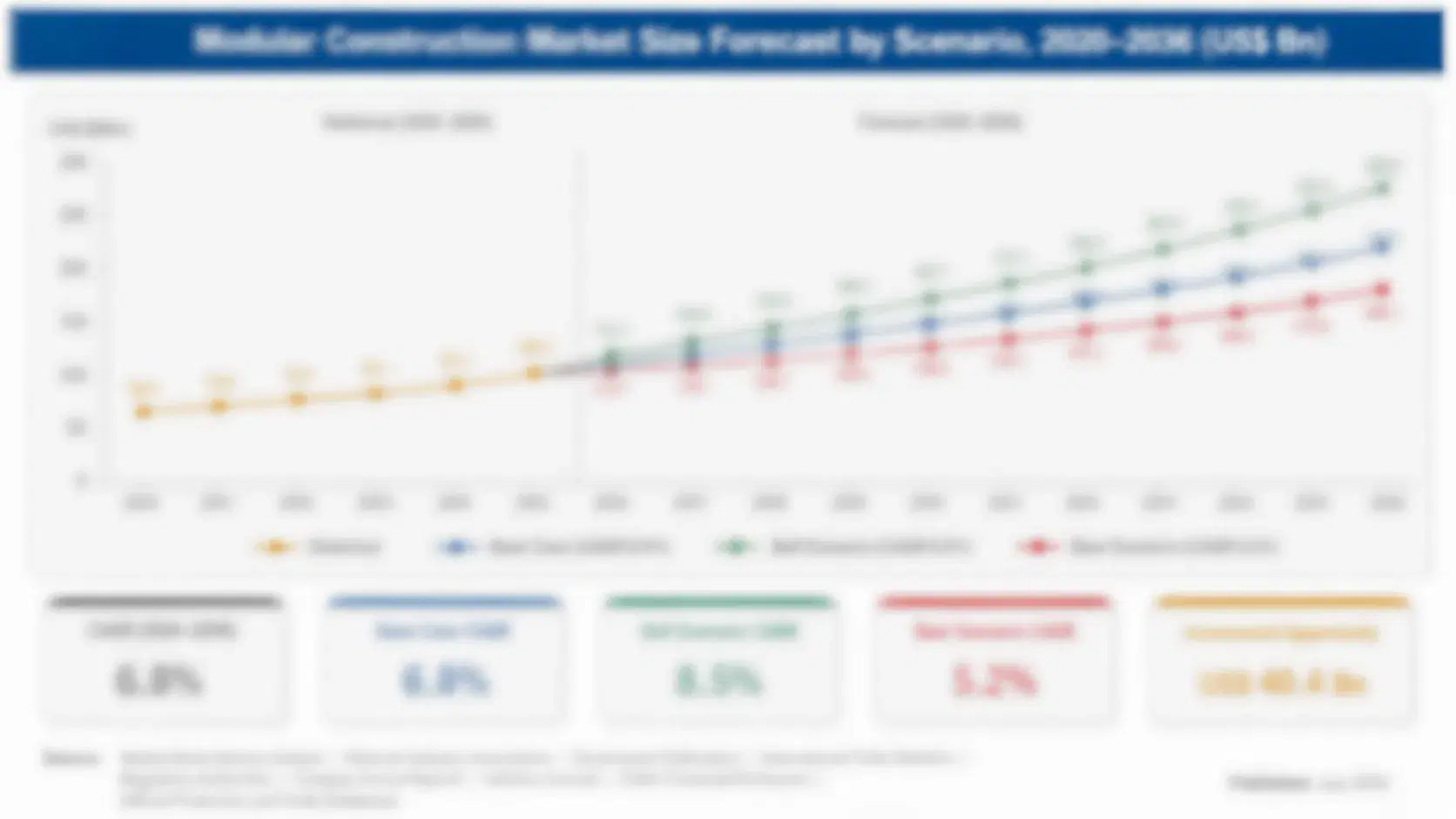
Growth from 2020 to 2025 ran at 6.6% and consumer pet DNA testing became the largest single application without most of the clinical industry treating it as part of the same market. Isothermal platforms moved molecular testing into field conditions that thermocycler-based methods had never reached. Sequencing costs continued falling, which broadened research and reference applications. Disease incursions drove episodic surges in production animal molecular surveillance across several years.
The 8.0% base case rests on three mechanisms. Isothermal platforms keep extending molecular testing into field and farm settings where no laboratory access exists, which adds volume rather than displacing it. Consumer genetic testing keeps growing through retail and online channels entirely outside clinical practice. And extraction chemistry keeps improving for degraded field samples, converting failures into completed tests. None of the three depends on any new sequencing technology arriving.
The bull case at 9.2% assumes consumer testing continues expanding and clinical interpretation services develop alongside it, which would connect two halves currently running in parallel. The bear case at 6.8% is scrutiny of consumer panel claims tightening, since roughly 23% of reported findings carry uncertain clinical meaning and owners increasingly bring those results to veterinarians who cannot interpret them.

Sold Online Read Nowhere

No other diagnostics category has a genuine retail channel and this one does. Roughly 41% of molecular test volume is sold directly to pet owners at around 95 dollars a kit through online and retail routes, covering breed ancestry, trait prediction and hereditary disease screening, with no veterinarian involved at any point in the transaction. That is a laboratory business run on consumer marketing.
FIVE-FIRM CONCENTRATION46%Share of category revenue held by leading molecular testing companies
CONSUMER DNA KIT PRICE$95Typical retail price for a direct to owner genetic kit
TOP MARKET COUNTRYUS 36%American share of global veterinary molecular testing revenue
CONSUMER SHARE OF VOLUME41%Molecular tests sold directly to owners without veterinary involvement
FIELD SAMPLE FAILURE RATE17%Production animal samples failing extraction after field collection
UNCERTAIN SIGNIFICANCE FINDINGS23%Reported findings whose clinical meaning remains genuinely unclear
The constraint on the clinical half is the sample rather than the instrument. Production animal material is collected in fields, often without cold chain, sometimes hours from anywhere, and roughly 17% of it fails extraction outright. Protocols optimised around hospital-collected human samples simply do not survive that. Extraction chemistry tolerating degraded material is what genuinely differentiates suppliers here. It receives a fraction of the attention platform specifications attract.
The two halves are beginning to collide awkwardly. Around 23% of findings reported on consumer panels carry uncertain clinical significance, and owners bring those results to veterinarians who have neither the training nor the reference data to interpret them. Consumer validation standards are considerably weaker than clinical ones. That tension will eventually reach regulators. Companies in both halves are exposed from an unplanned direction.
"Four in ten of these tests are bought by somebody who will never speak to a vet about the result. That is not a diagnostics market with a consumer edge; it is a consumer market with a laboratory attached."
Director, Animal Health Molecular Diagnostics Practice · MMA Veterinary Diagnostics Practice · August 2026

Market Trends

Isothermal Platforms Reach Where Laboratories Never Did

Isothermal amplification needs no thermocycler, runs on battery power and tolerates field conditions, which puts molecular testing within reach of production animal work where the nearest reference laboratory may be a day's drive away. Growth at 12.0% therefore adds testing volume rather than displacing existing laboratory work. Sample quality remains the limiting factor even so, since roughly 17% of field-collected material fails extraction regardless of which amplification chemistry follows it afterwards. Extraction chemistry rather than amplification method is therefore the genuine bottleneck, and it receives a fraction of the development attention.
Market Impact: Carries 41% of test volume
Consumer Panels Report Findings Nobody Can Interpret

Around 23% of results reported on direct-to-owner genetic panels carry uncertain clinical significance, and owners bring them to veterinarians who have neither the training nor the reference data to say what they mean. Consumer validation standards sit well below clinical ones. That gap widens as consumer volume grows toward half of all molecular testing, and it will eventually attract regulatory attention that companies operating in both halves have not generally planned for. Companies operating in both halves are exposed from a direction they have not generally planned for at all.
Market Impact: Mandates testing across 3 schemes

Market Opportunities and Growth Drivers

Consumer Genetic Testing Sells Through Retail Channels

Direct-to-owner breed, ancestry and hereditary disease kits at around 95 dollars sell through online and retail routes to people who buy them out of curiosity as much as concern, which is a consumer purchase with no clinical gate at all. That channel now carries roughly 41% of molecular test volume. Marketing, packaging and platform placement decide outcomes there rather than any analytical characteristic, and pharmaceutical or laboratory commercial organisations are poorly built to compete in it. Repeat purchase is essentially absent, since an animal is tested once and the relationship ends there.
Market Impact: Fails 17% of field samples

Traceability Requirements Mandate Parentage And Identity Testing

Pedigree registration, breed society rules and livestock traceability schemes require genetic parentage and identity verification in several national systems, which converts molecular testing from a clinical decision into a compliance obligation with predictable annual volume. That demand is invisible from a purely clinical perspective and considerably steadier than either consumer curiosity or disease surveillance. It is procured through breed bodies and traceability authorities rather than through veterinary channels at all. Suppliers organised entirely around clinical customers never see those tenders at all, which are steadier than anything else here. Volume arrives annually.
Market Impact: Applies 2 different validation standards

Market Restraints and Challenges

Field Samples Defeat Protocols Built For Hospitals

Roughly 17% of production animal samples fail extraction after collection in field conditions without cold chain, sometimes hours from any laboratory, which no amplification chemistry downstream can rescue. Root cause is that molecular protocols were developed around hospital-collected human material and never redesigned for the conditions veterinary samples actually arrive from. The commercial impact is failed tests, repeat collection and lost confidence. Mitigation runs through extraction chemistry tolerant of degraded material, which few suppliers prioritise. Few suppliers prioritise it and customers report it constantly. Repeat collection costs everybody time. Nobody rescues it.
Market Impact: Operates without 1 thermocycler

Consumer Validation Standards Sit Below Clinical Ones

Direct-to-owner panels report roughly 23% of findings with uncertain clinical significance, using validation standards considerably weaker than any clinical laboratory would accept. Root cause is that consumer testing developed outside clinical regulatory frameworks entirely. The commercial impact is a growing interpretation burden falling on veterinarians who did not order the test and cannot explain it. Mitigation involves clinical interpretation services, which very few consumer testing companies have built at all. Regulatory attention is beginning to build steadily. Interpretation services would close it, and almost nobody has built any. Standards diverge widely.
Market Impact: Reports 23% uncertain findings
3 additional market trends, 4 additional growth drivers, and 2 additional restraints and challenges are covered in the full report. Contact sales@marketmindsadvisory.com to access the complete intelligence.

Segment CAGR and Growth Architecture

Segmentation follows molecular technology platform: what amplification, detection or preparation method the test uses, rather than which disease or trait it examines or who purchases it. Six platforms cover the market without overlap. Application and purchasing channel are treated as separate commercial dimensions throughout this report. Species and application cut across every platform here.
veterinary-molecular-diagnostics-market-market-share-analysis-1787708571908

Isothermal Amplification Platforms

Isothermal methods require no thermocycler, run on battery power and tolerate ambient conditions, which puts molecular testing within reach of farm and field work where the nearest reference laboratory may be a full day away. Growth at 12.0%, half again the market rate of 8.0%, therefore adds volume rather than displacing laboratory testing. Sample quality still limits it, since roughly 17% of field-collected material fails extraction whatever amplification chemistry follows, which makes preparation the real bottleneck. Battery operation and ambient tolerance matter more in practice than any analytical characteristic a specification sheet reports. Preparation remains the genuine bottleneck for anybody working outside a laboratory environment. Field conditions defeat laboratory assumptions.
CAGR 12.0%

Next-Generation Sequencing

Falling sequencing costs have broadened veterinary application from research into reference laboratory work covering pathogen characterisation, resistance gene detection and population genetics across breeding programmes. Growth at 10.2% follows cost reduction rather than any veterinary-specific development, since the platforms are the same ones human and agricultural genomics use. Interpretation capacity rather than sequencing capacity is the practical constraint, and veterinary reference databases remain considerably thinner than their human equivalents. Reference databases for veterinary species are considerably thinner than human equivalents, which limits what a sequence actually tells anybody without substantial interpretation effort behind it. Interpretation capacity rather than sequencing capacity is the practical constraint everywhere. Platforms are shared with human genomics.
CAGR 10.2%
Full segment breakdown across 6 segments available in the complete report.

Regional Architecture and Country Demand Map

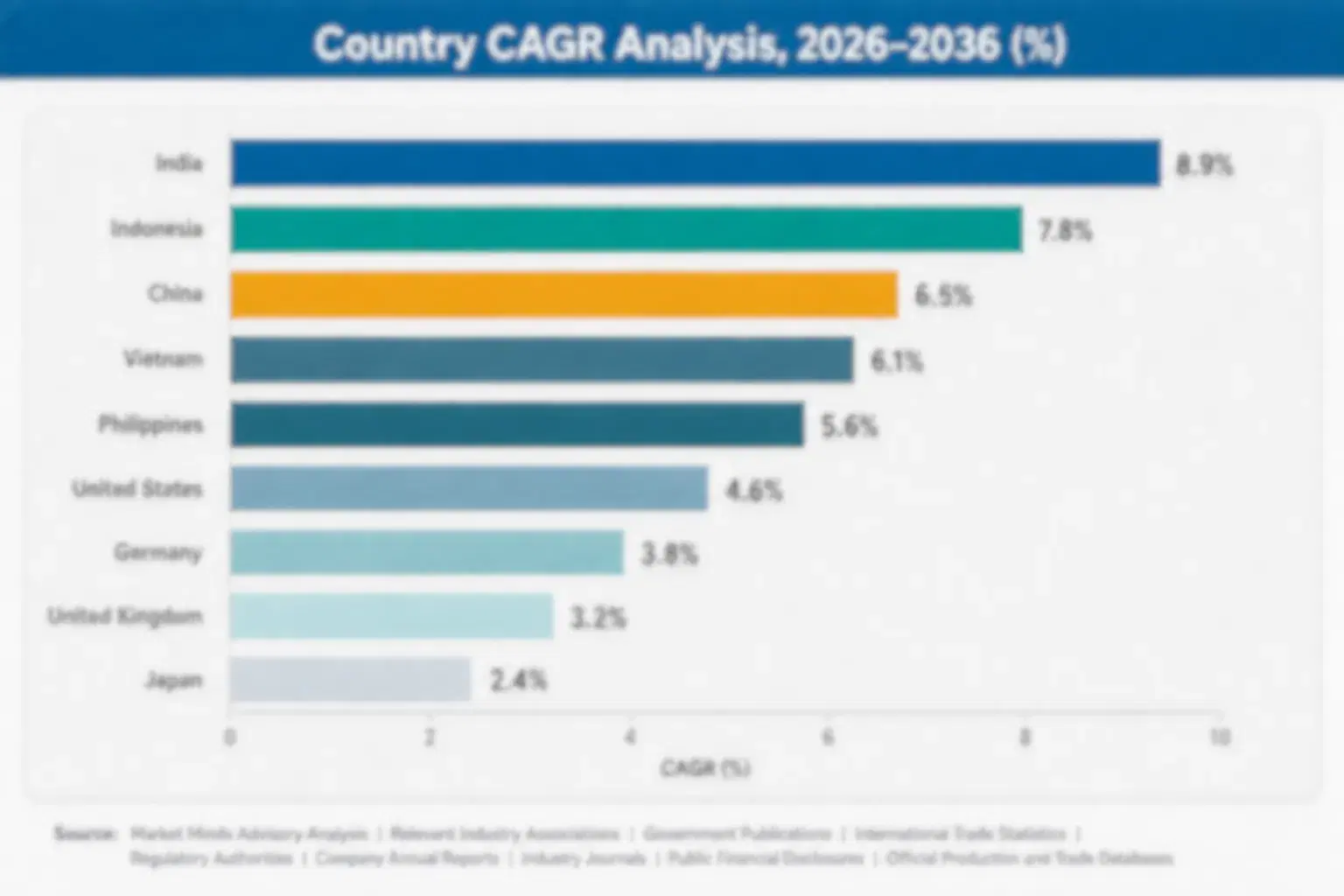
Geography follows consumer testing spending and production surveillance volume together, which sit in different regions. North America leads on consumer genetics, East Asia on production molecular work, and India grows fastest. Mandated traceability testing adds a third pattern that neither of those two describes at all.

North America

Consumer pet DNA testing is overwhelmingly American and represents the single largest non-infectious application in this market, sold through online and retail channels at consumer pricing entirely outside veterinary practice. That is why the region holds 31% of value on a modest share of clinical testing volume. Reference laboratory molecular work is well developed. The interpretation burden from consumer panel findings is falling on veterinarians here first, and regulatory attention to consumer claims is beginning to build. Breed registration and traceability testing add mandated volume procured entirely outside veterinary channels across the region. Regulatory attention to consumer testing claims is beginning to build here first. Reference laboratory molecular capability is well developed.
Share: 31% | CAGR: 7.2% (2026 to 2036)

Western Europe

Consumer genetic testing is established though smaller than in North America, and breed society and pedigree registration requirements generate substantial mandated parentage and identity testing across several countries. Production animal molecular surveillance is highly organised through national programmes. Reference laboratory capability is strong, and interpretation standards for clinical genetic findings are generally more conservative than consumer testing practice, which sharpens the gap between the two halves considerably. Consumer testing is established though smaller than in North America, and clinical interpretation standards remain considerably more conservative than consumer practice. Breed society and pedigree registration requirements generate substantial mandated parentage testing across several countries in the region. Production animal molecular surveillance is highly organised through established national programmes.
Share: 22% | CAGR: 6.4% (2026 to 2036)
Regional intelligence for 5 additional markets available in the complete report: East Asia, South Asia and Pacific, Latin America, Middle East and Africa, Eastern Europe. Contact sales@marketmindsadvisory.com.
veterinary-molecular-diagnostics-market-country-cagr-analysis-1787708572264

Serving Owners Laboratories And Authorities

Consumer kits carry about 41% of volume at around 95 dollars each, roughly 17% of field samples fail extraction, some 23% of consumer findings are uncertain, and traceability schemes mandate testing. Four levers work on retail capability, extraction chemistry, interpretation services and compliance channels rather than on platform specifications. Platform performance decides very little.

Build Retail Capability Or Concede The Channel

Around 41% of molecular test volume sells directly to owners at roughly 95 dollars a kit through online and retail routes, decided by marketing and platform placement rather than by any analytical characteristic. Laboratory and pharmaceutical commercial organisations are poorly built to compete there and mostly do not try. Companies wanting that volume need consumer marketing capability rather than scientific communication, and the two are genuinely different disciplines requiring different people entirely. Most laboratory suppliers do not try at all. Different people entirely are required. Marketing decides everything there. Scientific communication persuades nobody.
Market Impact: Reaches 41% of the whole test volume today

Solve Extraction Chemistry Before Improving Amplification Performance

Roughly 17% of production animal samples fail extraction after field collection without cold chain, and no downstream amplification chemistry rescues a sample that never yielded usable material. Suppliers compete on platform specifications while the actual failure happens before the platform is involved at all. Extraction chemistry tolerant of degraded, contaminated and heat-exposed material converts failed tests into completed ones without requiring any new instrument anywhere. The failure occurs before any platform is involved, which is why platform specifications answer none of it. Customers report this constantly. Nobody prioritises it. Instruments answer none of it.
Market Impact: Recovers 17% of all the currently failing samples

Offer Interpretation For Findings You Report

About 23% of consumer panel findings carry uncertain clinical significance and land on veterinarians who did not order the test and cannot explain the result to the owner in front of them. Consumer testing companies reporting those findings have generally built no interpretation support at all. Providing clinical interpretation services closes a gap that will otherwise reach regulators, and it creates a veterinary relationship the consumer channel currently lacks entirely. Regulators will otherwise reach it first. A veterinary relationship follows from it, which the consumer channel presently lacks entirely. Scrutiny is arriving.
Market Impact: Supports the whole 23% of uncertain findings reported

Reach Traceability Authorities Not Veterinary Channels

Pedigree registration, breed society rules and livestock traceability schemes mandate parentage and identity testing across at least 3 national systems, producing predictable annual volume that is invisible from any clinical perspective. That work is procured by breed bodies and traceability authorities rather than through veterinary channels at all. Suppliers organised entirely around clinical customers never see these tenders, which are steadier than either disease surveillance or consumer demand. Accreditation rather than price decides many of them. These tenders are steadier than anything else in the category, and clinical organisations simply never encounter them. Accreditation opens the door.
Market Impact: Serves 3 of the mandated national testing schemes

Who Controls the Margin Pool

Measured on disclosed veterinary molecular and genetic testing revenue, the five largest companies hold a CR5 of 46%, which reflects a market where consumer testing brands and clinical platform suppliers barely compete with one another at all. Thermo Fisher and QIAGEN supply platforms and reagents across clinical and research work, IDEXX and Zoetis hold clinical veterinary positions, and Neogen spans production animal genetics and food safety. The two halves barely acknowledge one another commercially.
Three contests define activity. Clinical platform supply competes on reagent performance and reference laboratory relationships. Consumer genetic testing competes on brand, retail placement and price in a channel that no clinical supplier is organised to enter. And traceability testing competes for breed body and authority contracts on price and turnaround reliability. A company organised for one contest is rarely equipped for the others.

Pressure builds as consumer volume grows toward half the market while interpretation capacity does not follow it. Rankings shift toward whoever solves field sample extraction and whoever bridges the consumer and clinical halves. Regulatory attention to consumer panel claims is beginning and nobody in the category is prepared for it. Nobody is ready.
veterinary-molecular-diagnostics-market-company-positioning-matrix-1787708572570

Competitive Moat and Risk Dimensions

THERMO FISHER SCIENTIFIC

Moat: Platform And Reagent Breadth

Thermo Fisher supplies instruments, reagents and extraction chemistry across the full molecular workflow, which matters because veterinary laboratories buy a working process rather than individual components. That breadth also lets it absorb the surge demand that disease incursions produce. A competitor with a superior single assay still needs the extraction, instrument and analysis around it to come from somewhere reliable.
THERMO FISHER SCIENTIFIC

Risk: Consumer Channel Absence

Roughly 41% of molecular test volume sells directly to owners through retail and online channels that laboratory suppliers are not organised to serve at all. Workflow breadth in clinical settings provides no position whatsoever in a consumer purchase decided by marketing and shelf placement. The largest single application in the market sits entirely outside the company's reach.
MARS PETCARE

Moat: Consumer Brand And Retail Reach

Mars reaches pet owners directly through consumer brands and retail relationships built across a much wider animal health and nutrition business, which is precisely the channel where consumer genetic testing sells. A clinical diagnostics company cannot replicate that quickly. Owners buy on brand and price at a shelf, not on any published specification.
MARS PETCARE

Risk: Interpretation And Claim Exposure

Consumer panels report roughly 23% of findings with uncertain clinical significance under validation standards weaker than clinical laboratories apply, and owners take those results to veterinarians who cannot interpret them. Regulatory attention to consumer testing claims is building. Brand strength does not protect against scrutiny of what the test actually reports.

Players Tracked

Prominent Players

Thermo Fisher Scientific
IDEXX Laboratories
QIAGEN
Zoetis
Neogen

Other Key Players

Mars Petcare
Embark Veterinary
Bio-Rad Laboratories
Agilent Technologies
Illumina
Indical Bioscience
Genetic Veterinary Sciences
Weatherbys Scientific
Zomedica
MiDOG
Applied DNA Sciences
Anitoa Systems
Biomeme
AniCon Labor
Shenzhen Bioeasy

Recent Developments

MARCH 2025

Veterinary bodies raise interpretation burden from consumer genetic panels

Veterinary professional bodies raised concerns about the interpretation burden created by direct-to-owner genetic panels, a professional development rather than any corporate transaction. Owners were presenting results containing findings of uncertain significance to veterinarians with neither the training nor the reference data to explain them. The burden fell on clinicians.
Signal: Consumer testing creates a clinical burden that the companies reporting those findings do not carry. Regulators follow eventually.
JULY 2025

Extraction chemistry launch targets degraded field collected samples

A reagent supplier launched extraction chemistry designed for degraded and heat-exposed field samples rather than hospital-collected material, an organic product development rather than any acquisition. A substantial proportion of production animal samples had been failing extraction before any amplification step was ever reached. Amplification could not rescue them.
Signal: Sample preparation rather than amplification platform determines whether field molecular testing works at all. Preparation is the bottleneck.
NOVEMBER 2025

National traceability scheme extends mandatory genetic identity verification

A national livestock traceability scheme extended mandatory genetic identity and parentage verification to further species categories, a regulatory development rather than any corporate event. That produces predictable annual testing volume procured through traceability authorities rather than through veterinary channels of any kind. Volume arrives predictably each year.
Signal: Compliance testing generates steadier volume than either disease surveillance or consumer curiosity does. Authorities buy differently.

What A Molecular Test Costs

Cost structure differs sharply between the halves of this market. Clinical assays carry enzyme, primer, probe and consumable cost at 34 to 43% of test price, with instrument placement recovered through reagent supply over time. Consumer kits carry collection device, laboratory processing, packaging and fulfilment against a 95 dollar retail price, where customer acquisition and marketing frequently exceed the actual laboratory cost per kit.
The volatility that mattered was enzyme and reagent supply during pandemic-era molecular demand, which affected veterinary users disproportionately because human testing had priority on constrained supply. Thermo Fisher and QIAGEN disclosures reference capacity allocation across that period. Cold chain and shipping costs also rose, which IEA industrial energy price data records, and those matter more for consumer kits shipped individually than for bulk laboratory supply.

Exposure divides by channel rather than by scale. Clinical suppliers carry reagent manufacturing against laboratory purchasing that compares performance and price. Consumer companies carry customer acquisition cost that behaves like a marketing budget rather than a cost of goods. Domestic Asian platform manufacturers hold cost positions in production surveillance work that established international suppliers cannot approach on tendered volume anywhere.
veterinary-molecular-diagnostics-market-cost-volatility-analysis-1787708572964

Invest in extraction rather than amplification chemistry

Roughly one in six production animal samples fails extraction after field collection, and no amplification improvement downstream rescues material that never yielded usable nucleic acid. Extraction chemistry tolerant of degraded and heat-exposed samples converts failed tests into completed ones. It receives a fraction of the development attention that platform performance does, which is where the actual failure occurs.

Treat consumer acquisition cost as marketing spend

Consumer kits selling at around 95 dollars carry customer acquisition cost that frequently exceeds laboratory processing per kit, which makes this a marketing economics problem rather than a diagnostics cost one. Companies modelling it as cost of goods misprice the whole channel. Retail placement, brand and repeat purchase behaviour determine profitability far more than any laboratory efficiency achieved.

Secure enzyme supply against surge allocation

Enzyme and reagent supply was allocated to human testing during pandemic-era demand, leaving veterinary users short at exactly the moment production surveillance needed capacity. Committed supply agreements cost inventory and protect availability when allocation happens again. Veterinary demand is smaller and consequently deprioritised, which makes contractual commitment more important here than in human diagnostics.

Portfolio Architecture for Margin Defence

Margin follows channel and workflow position rather than platform sophistication. Microarray and multiplex panels earn modestly on narrowing application. Real-time PCR earns steadily as the clinical workhorse with heavy competition. Digital PCR earns better on specialised quantitative work. Sequencing earns well in reference and research settings. Consumer genetic kits earn best of all, because retail pricing sits far above laboratory processing cost and brand rather than performance decides the purchase.
The tension is that the best margins sit in a channel clinical companies cannot reach and the largest clinical opportunity sits in a chemistry nobody prioritises. Consumer testing is a marketing business, and laboratory suppliers are not built for it. Extraction chemistry determines whether field testing works at all, and it receives a fraction of the development attention that amplification platforms attract. Both gaps have persisted for years.

High-value pools sit in three places. Consumer genetic kits sold through retail channels at prices far above processing cost. Extraction chemistry tolerant of degraded field material, which converts failures into completed tests. And mandated traceability and parentage testing, procured through authorities that clinical suppliers never call upon.

Volume / Commodity-Adjacent

Real-time PCR reagents and microarray panels supplied into competitive laboratory and surveillance testing at tendered pricing. The 9-point range is wide because domestic Asian and international reagent suppliers face entirely different cost positions on comparable assays.
Gross Margin: 24-33%

Premium / Certified

Digital PCR platforms, sequencing services and mandated traceability and parentage testing procured through breed bodies and authorities. The 10-point spread separates suppliers with accredited reference capability from those competing purely on price for routine volume.
Gross Margin: 44-54%

Sustainability / Regulatory / Next-Generation

Consumer genetic kits, isothermal field platforms and specialised extraction chemistry for degraded samples. The 26-point range is wide because consumer retail pricing and field platform economics rest on entirely different commercial foundations.
Gross Margin: 52-78%
veterinary-molecular-diagnostics-market-portfolio-architecture-1787708573316

High-value Sub-segments and Strategic Watch-out

Consumer Genetic Kits

Highest margin by a wide distance, sold at retail pricing far above laboratory processing cost through channels clinical suppliers cannot reach. The risk is that roughly 23% of reported findings carry uncertain significance, and regulatory attention to consumer testing claims is beginning to build steadily.
Gross Margin: 70-78%

Isothermal Field Platforms

Fastest growth at 12.0%, reaching farm and field settings where no laboratory access exists and no thermocycler could operate. The risk is that sample quality limits the whole proposition, since roughly 17% of field material fails extraction whatever platform follows. Preparation limits everything. Chemistry is the fix.
Gross Margin: 58-66%

Real-Time PCR Reagent Supply

The clinical workhorse carrying most laboratory volume against heavy competition from domestic and international suppliers alike. Companies hold it because it anchors laboratory workflow relationships, and because surge capacity credibility is built on established reagent supply. Nobody exits it deliberately at all. Workflow validation locks it.
Gross Margin: 34-40%

The Interpretation Gap

The strategic watch-out. Consumer panels report uncertain findings to owners who take them to veterinarians unable to interpret them, and no company reporting those findings provides support. The risk is that regulators reach this before the industry does. Nobody is preparing for that. Exposure builds quietly.
Gross Margin: 26-32%

Curiosity Compliance And Disease

Three demand patterns coexist and only one of them is clinical. Consumer genetic testing is bought out of curiosity, once per animal, at retail pricing and with no repeat purchase to follow it. Traceability and parentage testing is mandated, annual and predictable. Disease surveillance is episodic and violently volatile. Forecasting the category from any one of those produces a picture that describes none of the others accurately.
Stickiness varies accordingly. Consumer testing has almost none, since the animal is tested once and the relationship ends there. Traceability testing is extremely sticky because scheme accreditation and authority contracts are difficult to displace. Clinical reagent supply is sticky through laboratory workflow validation, since revalidating an assay costs time nobody wants to spend. Three quite different retention mechanisms operate inside one reported category.

The decision maker differs completely across the three. An owner buys a consumer kit from an advertisement or a shelf. A breed body or traceability authority awards testing contracts on accreditation and price. A laboratory director selects reagents on validated workflow performance. Companies organised for one of those buyers reach the others essentially never, which is why the category's halves have grown in parallel without meeting.
veterinary-molecular-diagnostics-market-end-use-penetration-index-1787708573661

Three Businesses One Category

These are among the four positions where our research anticipates prominent divergence between winners and laggards over the coming forecast period. Each is grounded in the demand model, the regulatory perimeter, and the announced capacity pipeline.
01 / CONSUMER CHANNEL DECISION

Four in ten buyers never meet a vet

Roughly 41% of molecular test volume in this market sells directly to pet owners at around 95 dollars a kit, through online and retail routes where marketing and platform placement decide the outcome entirely. Laboratory and pharmaceutical commercial organisations are genuinely poorly built to compete in that particular channel, and most of them do not even attempt it. Companies wanting that volume need genuine consumer marketing capability rather than scientific communication, and those are entirely different disciplines requiring quite different people.
02 / EXTRACTION CHEMISTRY PRIORITY

The failure happens before the platform runs

Around 17% of all production animal samples fail extraction after collection in field conditions without any cold chain at all, sometimes hours from the nearest laboratory, and no downstream amplification chemistry at all can rescue material that never yielded any usable nucleic acid. Suppliers compete hard on platform specifications while the actual failure occurs well before any platform is ever involved. Extraction chemistry tolerant of degraded material converts failed tests into completed ones without requiring any new instrument anywhere at all.
03 / INTERPRETATION SUPPORT BUILDING

Somebody else explains your uncertain result

About 23% of all findings reported on direct-to-owner genetic panels carry uncertain clinical significance, and those land on veterinarians who did not order the test and who have neither the training nor the reference data to explain any of it. The companies reporting those findings have generally built no interpretation support for them whatsoever. Providing proper clinical interpretation closes a gap that will otherwise reach regulators first, and it builds a veterinary relationship that the consumer channel entirely lacks today.
04 / COMPLIANCE CHANNEL ACCESS

The steadiest volume never reaches a clinic

Pedigree registration rules, breed society requirements and livestock traceability schemes together mandate genetic parentage and identity verification across several national systems, producing entirely predictable annual testing volume that remains invisible from any clinical perspective. That particular work is procured by breed bodies and traceability authorities rather than through any veterinary channel at all. Suppliers organised entirely around clinical customers never see those tenders at all, and those tenders are considerably steadier than either disease surveillance or consumer demand ever is.

Engagement Snapshot From the Field

A live engagement with an industry participant carrying material or product regulatory and market exposure ahead of a defining policy shift, showing how our research translates into a defensible multi-year portfolio strategy.
MARKET MINDS ADVISORY · CLIENT ENGAGEMENT SUMMARY
Veterinary Molecular Diagnostics Producer Strategic Portfolio Review and Transition Roadmap 2026·Investment Scenario on Veterinary Molecular Diagnostics Exposure Evaluation 2025-26
CLIENT PROFILE
A molecular diagnostics company supplying veterinary reagents and platforms to reference laboratories across European and Asian markets, with reported veterinary revenue of 96 million dollars (client-reported, unverified by MMA). All revenue came from clinical and surveillance laboratory customers. No consumer channel presence existed and traceability authority contracts had never been pursued anywhere. Channel decomposition had never been attempted.
STRATEGIC CHALLENGE
Category growth reported by analysts consistently exceeded the company's own, and management could not reconcile the difference. A reagent portfolio extension and a platform refresh were being prepared. Neither addressed the possibility that most of the category's growth was occurring in channels the company had never entered or even assessed.
MMA APPROACH
MMA decomposed reported category growth by channel, separating clinical laboratory demand from consumer kits and mandated traceability testing, which the company had never distinguished. Seventeen expert interviews with laboratory directors, breed body officials and consumer testing executives established how each channel buys. The analysis treated channel absence rather than product competitiveness as the cause of the growth gap.
KEY FINDINGS
  1. Consumer kits and mandated traceability testing together accounted for the majority of category growth, and the company participated in neither channel at any level.
  2. Field sample extraction failures were reported by laboratory customers as a recurring problem, and the company had never developed chemistry addressing degraded material.
  3. Breed body and traceability authority tenders had never been seen by the commercial organisation, which was structured entirely around laboratory account management.
  4. Consumer testing companies interviewed described their economics as marketing driven, with acquisition cost exceeding laboratory processing per kit substantially. Marketing decided profitability there.
CLIENT PROFILE
A molecular diagnostics company supplying veterinary reagents and platforms to reference laboratories across European and Asian markets, with reported veterinary revenue of 96 million dollars (client-reported, unverified by MMA). All revenue came from clinical and surveillance laboratory customers. No consumer channel presence existed and traceability authority contracts had never been pursued anywhere. Channel decomposition had never been attempted.
STRATEGIC CHALLENGE
Category growth reported by analysts consistently exceeded the company's own, and management could not reconcile the difference. A reagent portfolio extension and a platform refresh were being prepared. Neither addressed the possibility that most of the category's growth was occurring in channels the company had never entered or even assessed.
MMA APPROACH
MMA decomposed reported category growth by channel, separating clinical laboratory demand from consumer kits and mandated traceability testing, which the company had never distinguished. Seventeen expert interviews with laboratory directors, breed body officials and consumer testing executives established how each channel buys. The analysis treated channel absence rather than product competitiveness as the cause of the growth gap.
KEY FINDINGS
  1. Consumer kits and mandated traceability testing together accounted for the majority of category growth, and the company participated in neither channel at any level.
  2. Field sample extraction failures were reported by laboratory customers as a recurring problem, and the company had never developed chemistry addressing degraded material.
  3. Breed body and traceability authority tenders had never been seen by the commercial organisation, which was structured entirely around laboratory account management.
  4. Consumer testing companies interviewed described their economics as marketing driven, with acquisition cost exceeding laboratory processing per kit substantially. Marketing decided profitability there.
RECOMMENDED STRATEGY
Phase 1: Phase one: develop extraction chemistry for degraded field samples, since customers report the failure and no supplier currently addresses it properly. Phase 2: Phase two: pursue traceability authority and breed body contracts, which produce steady mandated volume the clinical organisation never encounters. Authorities buy separately. Phase 3: Phase three: assess consumer channel entry honestly, recognising it requires marketing capability the company does not currently possess. Honesty beats optimism here.
OUTCOME
Extraction chemistry development was funded and early field trials reduced sample failure materially at two laboratory customers (client-reported, unverified by MMA). Traceability tendering began and the company was shortlisted for two scheme contracts it had previously never seen. Consumer channel entry was assessed and deferred, which management described as the correct answer rather than a disappointing one.

Frequently Asked Questions

Foundational context covering the market sizes, CAGR, scope, country, region and competition that inform every finding below. This section is provided to cover basics and most often pre-purchase conversations, answered from the MMA Primary Research Dataset.

What is the current size of the Veterinary Molecular Diagnostics Market?

The market was worth 1.6 billion dollars in 2025, covering real-time PCR, isothermal, sequencing, microarray, extraction chemistry and digital platforms. It reaches 1.73 billion dollars in 2026.

How large will the Veterinary Molecular Diagnostics Market be by 2036?

MMA forecasts 3.73 billion dollars by 2036, an increase of 2.00 billion dollars over the 2026 base. That represents an expansion multiple of 2.16 times across the forecast period.

What is the CAGR for the Veterinary Molecular Diagnostics Market 2026 to 2036?

The base case compounds at 8.0% annually. The bull case reaches 9.2% if consumer testing expands with interpretation services, while the bear case sits at 6.8% on tightening scrutiny of consumer claims.

Which segment is growing fastest?

Isothermal amplification platforms, at 12.0%, half again the market rate of 8.0%. They need no thermocycler and reach field settings where the nearest laboratory is a day away.

Who are the major companies in the Veterinary Molecular Diagnostics Market?

Thermo Fisher Scientific, IDEXX Laboratories, QIAGEN, Zoetis and Neogen lead on disclosed veterinary molecular revenue. Mars Petcare and Embark Veterinary dominate the consumer genetic testing channel entirely.

Which country is growing fastest?

India at 10.1%, as livestock traceability programmes extend and metropolitan companion animal testing emerges. The United States accounts for roughly 36% of global molecular testing revenue.

Report Segmentation Architecture

The full report scope spans multiple orthogonal segmentation dimensions, with cross-tabulated demand data provided for each dimension pair. Coverage extends further to regional breakdowns, trend trajectories, and the competitive detail needed to support segment-level decision-making.

By Molecular Platform

  • Real-Time PCR Systems and Assays
  • Isothermal Amplification Platforms
  • Next-Generation Sequencing
  • Microarray and Multiplex Panels
  • Sample Preparation and Extraction Chemistry
  • Digital PCR and Quantitative Platforms

By End-Use Application

  • Infectious Disease Detection
  • Hereditary Disease Screening
  • Breed and Ancestry Testing
  • Parentage and Identity Verification
  • Antimicrobial Resistance Gene Detection
  • Research and Breeding Programme Genomics

By Commercial Dimension

  • Reference Laboratory Reagent Supply
  • Direct-To-Owner Consumer Kit Sale
  • Traceability Authority Contract
  • Breed Society Testing Programme
  • Government Surveillance Tender Supply
  • Research Institution Supply

By Region

  • North America
  • Western Europe
  • East Asia
  • South Asia and Pacific
  • Latin America
  • Middle East and Africa
  • Eastern Europe

Scope, Methodology, and Coverage

Every figure in this report is reproducible from documented input assumptions. The scope below maps the historical period, the forecast horizon, the segmentation dimensions, and the countries covered, alongside the underlying primary and qualitative methodology.
Historical Period
2020 to 2025
Forecast Period
2026 to 2036
Base Year
2025 (USD billions; MMA Primary Research Dataset, August 2026)
Market Definition
Scope covers molecular testing platforms, reagents and services applied to companion, production, equine and exotic animals, spanning real-time PCR systems and assays, isothermal amplification platforms, next-generation sequencing, microarray and multiplex panels, sample preparation and extraction chemistry, and digital PCR and quantitative platforms, across infectious, hereditary, identity and research applications. Non-molecular veterinary diagnostics including immunoassay, culture, clinical chemistry and haematology, veterinary imaging, human molecular diagnostics, and agricultural plant or food molecular testing outside animal application are excluded from the market size. Infectious disease testing by disease target is analysed in a separate MMA report.
Quantitative Units
USD billions (current prices); tests performed; consumer kits sold; sample extraction success rate; mandated testing volume
Segmentation Dimensions
By Molecular Platform; By End-Use Application; By Commercial Dimension; By Region
Regions Covered
North America, Western Europe, East Asia, South Asia and Pacific, Latin America, Middle East and Africa, Eastern Europe
Countries Covered
USA, China, Germany, UK, India, Japan, Brazil, France, Netherlands, Australia, Canada, South Korea, Ireland, Poland, Argentina
Key Companies Profiled
Thermo Fisher Scientific, IDEXX Laboratories, QIAGEN, Zoetis, Neogen, Mars Petcare, Embark Veterinary, Bio-Rad Laboratories, Agilent Technologies, Illumina, Indical Bioscience, Genetic Veterinary Sciences, Weatherbys Scientific, Zomedica, MiDOG, Applied DNA Sciences, Anitoa Systems, Biomeme, AniCon Labor, Shenzhen Bioeasy
Quantitative Methodology
Primary survey, n=3,800 respondents, Q4 2025, six countries; demand-side model with trade association cross-validation
Qualitative Methodology
47 expert interviews, Q4 2025; applied to validate demand model assumptions, identify emerging dynamics, and assess competitive positioning
Report Format
PDF and XLSX data workbook (Word format preview document)
Publisher
Market Minds Advisory
Report Code
MMA-2026-MED-133
Published
August 2026
Contact
sales@marketmindsadvisory.com | www.marketmindsadvisory.com

Purchase the full Veterinary Molecular Diagnostics Market Report (2026 to 2036).

The full report runs to 164 pages and covers all six molecular platform segments, seven regions and 20 profiled companies in detail. It includes the complete segment CAGR set, regional consumer and clinical channel comparison, and analysis of sample extraction performance across collection conditions. Company profiles carry evaluation on disclosed veterinary molecular and genetic testing revenue, with moat and risk assessment for the top five companies. The competitive section extends to 15 tracked regulatory, product and channel developments across 2024 and 2025. Primary research inputs include a quantitative survey of 3,800 respondents and 47 expert interviews conducted in Q4 2025.
Six molecular platform segments with individual CAGR forecasts
Seven regional markets with consumer and clinical channel comparison
Twenty company profiles on consistent molecular revenue evaluation basis
Fifteen tracked regulatory and channel developments with commercial interpretation
Sample extraction performance analysed across field collection conditions
Consumer testing economics separated from clinical laboratory reagent supply

Built For The People Who Decide

From boardroom strategy to bench-side execution, this report is read cover-to-cover by leaders shaping the next decade of their industry, turning demand scenarios, market dynamics and valuation benchmarks into decisions.
CXOs/ Presidents/ VPs/ Managers
M&A and Corporate Development
Strategy Teams and R&D Heads
Procurement and Product Directors
Regulatory and Compliance Leaders
Investor Relations and Equity Analysts